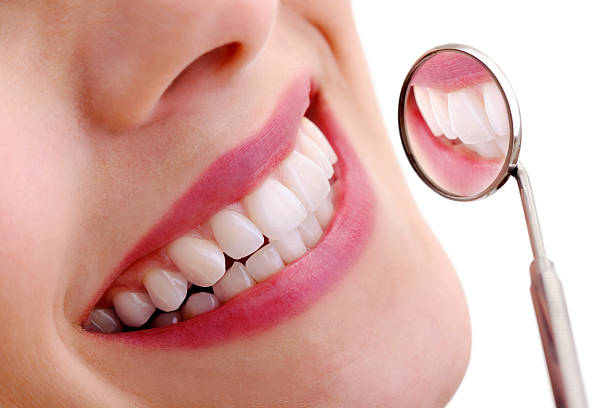
Your smile says a lot before you even say a word, so it’s no surprise that people want their teeth looking bright and clean. But when it comes to whitening, should you trust the pros or try the kits at home? Both options promise a whiter smile, but they work very differently in how well they perform and how safe they are. Let’s break down what really happens with professional treatments versus the ones you use yourself so you can find the best fit for your teeth and lifestyle.
Professional teeth whitening, performed by dental experts, uses stronger peroxide solutions that can lighten teeth up to 8 shades in about one hour with longer-lasting results and safer application. At-home whitening kits are more affordable and convenient but typically require multiple applications over days or weeks to achieve moderate improvements of 3-6 shades and may be less effective on deep stains.
Comparing Professional Teeth Whitening and At-Home Kits
When sitting in a dental chair for professional whitening, you’re benefiting from treatments designed to maximize results while protecting your oral health. Dentists use powerful bleaching agents—hydrogen peroxide often reaching concentrations up to 40%—which can lighten tooth color by as many as 6 to 10 shades in just a single visit lasting about an hour.
This rapid transformation is possible because professionals expertly apply the gel, shield your gums from irritation, and monitor sensitivity throughout the process. The controlled environment limits risks like uneven whitening or chemical burns that sometimes occur when whitening happens unsupervised at home.
Additionally, professional whitening penetrates beyond surface stains to address deeper discoloration caused by aging, medications, or trauma. This comprehensive effect often means longer-lasting brightness—typically lasting one to three years, depending on lifestyle and upkeep.
However, this convenience and superior outcome come with higher costs; in-office treatments range around $300 to $1,000 per session, reflecting the expertise involved and quality of materials used.
While professional whitening excels in speed and depth of stain removal, convenience and budget are important considerations—that’s where at-home kits come into play.
At-Home Kits
At-home whitening kits offer flexibility—you can brighten your smile from the comfort of your living room on your own schedule. These kits generally utilize lower concentrations of bleaching agents, usually around 3% to 10%, which means the treatment period stretches over multiple days or weeks.
The slower pace allows gradual stain breakdown but requires discipline to apply daily or several times weekly for optimal results. Most users can expect about 2 to 4 shades of improvement, which is noticeable but less dramatic than professional treatments.
Many at-home kits come with prefilled strips or customizable trays. Dentist-supervised kits include custom-fitted trays that optimize gel contact and reduce gum irritation—a common issue with over-the-counter versions that may not fit well. Despite their affordability (often ranging from $20 to $100), at-home kits lack immediate feedback from a professional, raising the potential for improper application or increased tooth sensitivity if instructions aren’t followed carefully.
Beyond efficacy and price, consider that at-home kits primarily target extrinsic stains—those caused by coffee, tea, tobacco, or food pigments—and may be less effective on intrinsic discoloration embedded within the tooth structure.
For patients with restorations such as crowns or veneers, whitening products have limited effects since artificial materials don’t bleach like natural enamel.
Understanding these fundamental differences leads us to weigh which choice better suits your needs based on safety profiles and personal circumstances.
Safety and Suitability
Professional whitening’s close supervision translates into safer applications for most people—including those with sensitive teeth or gum issues—because dentists can adjust concentration levels or recommend desensitizing agents during and after treatment.
Although mild sensitivity occurs in roughly 30-50% of patients following professional procedures, it typically resolves quickly without long-term effects.
In contrast, sensitivity affects a higher portion of at-home kit users—between 40% and 60%—often tied to unregulated gel use or prolonged exposure. Gum irritation is also more common without expert protection during bleaching.
This highlights why consulting a dentist before starting any whitening regimen is crucial: they can determine candidacy based on dental history and offer personalized guidance, ensuring maximum safety.
“Consulting your dental provider is the best first step before any whitening treatment—it ensures healthy teeth and sets realistic expectations.”
Finally, let’s examine cost-effectiveness paired with longevity to round out our comparison.
Cost and Longevity Considerations
| Aspect | Professional Whitening | At-Home Kits |
| Cost | $300 – $1,000 per session | $20 – $100 per kit |
| Treatment Duration | 1-2 sessions; approx. 1 hour each | Daily use for over 1-2 weeks |
| Shade Improvement | Up to 8-10 shades brighter | Typically 2-4 shades |
| Sensitivity Risk | Moderate; usually temporary | Higher risk of gum irritation |
| Result Duration | Lasts 1-3 years | Typically lasts 6 months – 1 year |
This table illustrates the trade-offs clearly: professional treatments require a larger upfront investment but deliver sustained brilliance with fewer repeated cycles. At-home kits present a cost-conscious option for mild improvements but demand patience and consistent care for short-to-medium-term results.
As we move forward, it’s crucial to consider which method truly delivers the brightest smile you desire by comparing their effectiveness in greater detail.
Effectiveness: Which Method Delivers Brighter Results?
When we talk about how bright your smile can get, professional teeth whitening clearly takes the lead. Dentists use potent concentrations of hydrogen peroxide—often up to 43%—which penetrates deeply into the enamel, breaking down stubborn and deep-set stains that over-the-counter products simply can’t touch. This means that right after a session, many patients see an immediate jump in brightness of 6 to 10 shades on the Vita shade guide scale. The difference is dramatic and hard to miss, especially for those looking to make a powerful first impression or needing quick results for an upcoming special event.
On the other hand, at-home kits rely on gentler bleaching agents around 3% to 10% strength. Because of this, results are more incremental—you’re essentially applying layers of whitening slowly over several weeks. This slow-build approach typically yields improvements in the range of 2 to 4 shades, which, while noticeable, requires patience and consistency.
It’s important to keep in mind that these kits often work best on surface-level or yellowish stains rather than deeper gray or brown discoloration. Also, because the peroxide concentration is lower, it’s less aggressive but also less transformative compared to professional treatments.
Studies consistently confirm this gap in effectiveness; a 2023 meta-analysis published in the International Journal of Dentistry found that professional whitening statistically significantly outperforms at-home methods (p < 0.01). Patients can expect their results to last longer too—typically 12 to 24 months with professional treatment versus 6 to 12 months for home kits—largely due to the depth and thoroughness of stain removal accomplished in-office.
Another factor influencing effectiveness is customization. Dentist-provided treatments use tailored trays or direct application by experts, ensuring even coverage across all teeth and reducing irritation risk.
At-home kits, especially the over-the-counter varieties, often suffer from ill-fitting trays or inconsistent application, which can lead to patchy results or increased gum sensitivity without deeper whitening gains.
However, this doesn’t mean at-home kits have no place. For individuals seeking modest improvements without the higher cost or time commitment of office visits, these products offer a safer and more convenient alternative—especially for maintenance after professional whitening or for those with minor staining concerns.
Remember that proper technique and adherence to instructions play a large role in maximizing results safely when using any whitening product at home.
While brightness answers one key question, understanding how safety stacks up between these options can further clarify which choice suits you best. Examining how long these effects last will also shed light on choosing the ideal whitening plan that fits both your timeline and lifestyle habits.
Duration and Longevity of Whitening
Professional teeth whitening treatments go beyond the surface, reaching deeper into the enamel and dentin layers. This depth allows them to break down more stubborn stains, which in turn extends how long your teeth stay white.
On average, professional whitening can maintain its effectiveness for two to three years when paired with proper dental hygiene—such as regular brushing, flossing, and avoiding excessive consumption of stain-causing foods and drinks like coffee or red wine. This durability is one of the main reasons many patients in Tarpon Springs choose in-office bleaching despite the higher initial cost.
What happens under the surface is key here. The stronger peroxide concentrations used by dentists—often between 15% and 43% hydrogen peroxide—penetrate into micro-pores in the tooth enamel, breaking apart deep chromogens (stain molecules).
Over time, though, natural processes and lifestyle choices allow new stains to embed themselves, so while professional whitening is powerful, it’s not permanent.
A helpful tip from cosmetic dentists is to schedule touch-ups every six to twelve months depending on your habits. These revisit sessions help maintain vibrancy without needing a full retreatment.
For those keen on preserving that sparkle, staying vigilant about avoiding tobacco products and minimizing acidic or pigmented foods can make all the difference.
Now, let’s consider what it means to rely on less intensive but more accessible at-home kits.
At-Home Kits: Regular Maintenance Required
At-home whitening kits generally use lower peroxide concentrations—typically between 3% and 10%. This means their effects are primarily on surface stains rather than deeply embedded discolorations.
As a result, their brightening effects usually last from six months up to a year before noticeable fading appears.
Because of this more superficial whitening, users need to perform regular maintenance with follow-up applications or “touch-up” cycles every few months. While this requires time and commitment, it spreads out the cost compared to a one-time professional treatment.
Additionally, custom-fit trays prescribed by dentists can improve comfort and reduce gum irritation often associated with over-the-counter strips or gels, extending usage potential.
It’s also important to remember that these kits don’t work uniformly across all types of stains: yellow extrinsic stains (from coffee or smoking) respond well, while brownish or grayish intrinsic discolorations require professional care.
For people with sensitive teeth, choosing products formulated with desensitizing agents such as potassium nitrate can minimize discomfort during repeated treatments.
Balancing Longevity With Lifestyle and Budget
| Factor | Professional Whitening | At-Home Kits |
| Whitening Strength | High (up to 43% peroxide) | Moderate (3–10% peroxide) |
| Result Duration | 2–3 years with good maintenance | 6–12 months; requires regular touch-ups |
| Cost | Typically $300+ per session | Around $50 per kit |
| Time Investment | One to two visits (1-2 hours total) | Multiple daily sessions over weeks |
| Sensitivity Risk | Higher, but managed professionally | Lower concentration; variable |
When choosing your whitening path, factor in how much time you’re willing to spend maintaining your smile and balance it against budget constraints.
Seeking a consultation at a local Tarpon Springs dental clinic like Tarpon Dental offers personalized guidance tailored to your stain type and oral health status.
After considering duration and upkeep demands, exploring the financial aspects sheds more light on which solution aligns best with your needs.
Budget Considerations and Affordability
When deciding between professional teeth whitening and at-home kits, money often plays a central role. Professional treatments at Tarpon Dental in Tarpon Springs typically range from $300 to $600 per session, reflecting the expertise, high-quality materials, and time involved. This price may seem steep compared to at-home kits priced between $20 and $100, but upfront cost isn’t the only factor.
A professional whitening session usually requires only one or two visits to achieve significant improvement—in many cases up to eight shades lighter in about an hour. This intensive approach offers long-lasting results that often stay vibrant for two to three years with proper care.
In contrast, at-home kits demand repeated application daily over several weeks. While the initial price is lower, reaching optimum whiteness might take 5 to 14 sessions, with maintenance treatments required every six months to a year.
Beyond numbers on paper, it’s important to consider your lifestyle and priorities. If you prefer quick and dramatic changes with guidance from dental professionals who can tailor treatment safely according to your oral health, investing in professional whitening makes solid sense. You’re paying not just for a product—you’re paying for personalized care that protects your gums and minimizes sensitivity.
That said, many people appreciate the convenience and price point of at-home kits, especially those wanting gradual improvement or flexibility fitting whitening into their schedules.
At-home kits do pose some risks if instructions aren’t followed carefully. Overusing peroxide gels or using ill-fitting trays can cause gum irritation or teeth sensitivity. The quality of store-bought kits varies widely; some use weaker ingredients, limiting effectiveness, while others contain additives better suited for sensitive teeth but requiring more time for visible results.
At Tarpon Dental, we recommend consulting a dentist before starting any whitening regimen. A professional consultation identifies the nature of your stains—whether intrinsic or extrinsic—and helps you choose an option that aligns safely with your budget and goals.
For example, some patients benefit most from custom-fitted trays combined with professional-grade gels used at home—a middle ground balancing cost and effectiveness.
| Whitening Method | Average Cost | Frequency of Application | Estimated Longevity |
| Professional | $300-$600 | 1-2 Sessions | 2-3 Years |
| Dentist-Supervised At-Home Kits | $150-$300 | Daily for 1-3 Weeks | 6-12 Months |
| Over-the-Counter At-Home Kits | $20-$100 | Daily for 2-4 Weeks | 3-6 Months |
This table highlights how costs vary with treatment type and expected duration of effects. While professional whitening leads in longevity and speed, dentist-supervised at-home solutions using higher-quality materials generally yield better results than generic kits.
Understanding budget considerations is crucial before pursuing teeth whitening treatments, but safety is paramount. Next, examining protective measures and potential risks will guide you toward the best decision for your oral health.
Safety Measures and Potential Risks
When you opt for professional teeth whitening, you’re not just getting a cosmetic treatment; you’re receiving care delivered under expert supervision. Dentists use specialized tools like custom-fitted gum protectors that shield your sensitive gums and soft tissues from the strong bleaching agents. This barrier is essential because the whitening substances, while effective, can be harsh on delicate areas if left unchecked. The presence of a dental professional ensures that if any discomfort or unexpected reactions arise during the procedure—such as burning sensations or soreness—they can immediately adjust treatment to prevent lasting damage. This level of control drastically reduces risk and helps produce uniformly bright results that look natural.
The benefits extend beyond safety alone. Because professionals employ high-quality bleaching agents activated by advanced light or laser technology, the whitening process penetrates deeply and quickly into the enamel’s stains, delivering fast and dramatic changes that at-home methods often cannot match.
Of course, many people appreciate the comfort of whitening their teeth at home, but this convenience comes with its own set of precautions.
At-Home Kits: Convenience with Caution
At-home teeth whitening kits appeal to many because they’re more affordable and flexible—you can fit treatments into your schedule without appointments. However, these advantages come at the price of less direct oversight. Without a dentist guiding you through the process, users must strictly follow instructions to avoid damaging outcomes such as gum irritation or enamel erosion.
Overusing these products or leaving them on longer than recommended can cause your teeth to become hypersensitive, sometimes painfully so, and lead to uneven whitening where some areas are brighter than others.
Many people underestimate how critical proper application timing and technique are when using these kits. It’s easy to think that applying more product or wearing trays for extended periods will speed up results—but this only increases the risk of harm.
Before starting any at-home regimen, consulting a dental professional is highly advisable. They can recommend suitable products based on your dental health and goals, reducing hazards while improving effectiveness.
Grasping these differences in safety and efficacy prepares you for making an informed choice that aligns both with your lifestyle and oral health objectives.
Finding the Best Option for Your Smile
Deciding between professional teeth whitening and at-home kits is not just a matter of cost or convenience—it ultimately depends on your unique dental condition, lifestyle, and goals for your smile. What works wonders for one person might not be suitable for another, so taking stock of your personal preferences alongside oral health factors is key.
For instance, if you’re someone who wants fast, noticeable results with expert supervision, professional whitening treatments are unparalleled. These procedures often lighten teeth by up to 8 or more shades in a single session, thanks to stronger bleaching agents applied under controlled conditions. You also benefit from customized care to protect sensitive gums and reduce potential discomfort. This route feels like putting your smile in experienced hands—comforting if you have delicate enamel or existing dental work such as veneers or crowns that won’t respond to over-the-counter products.
On the other hand, many appreciate the accessibility and affordability of at-home whitening kits. They allow you to whiten gradually at your own pace and schedule, which can fit better into busy lifestyles. While these kits generally achieve results of two to five shades lighter over several weeks, they come with a trade-off: increased risk of gum irritation if not used correctly and results that may not penetrate deep stains or discolorations caused by intrinsic factors.
Of course, before embarking on any whitening journey, it’s vital to consult a dental professional. An expert at Tarpon Dental can assess your teeth’s current state and discuss the source of discoloration—be it from dietary habits, aging, medication effects, or trauma—which strongly influences which method will yield the best outcome with minimal risks.
Scheduling a consultation at Tarpon Dental ensures personalized recommendations tailored just for you. Whether that means an in-office session for rapid transformation or fitting you with custom trays for safe and effective home use, experts guide you through every step. Call us at (727) 937-4285 today to take the first step toward your brightest smile.
Key considerations when choosing include:
- Desired speed of results versus willingness to have gradual change
- Sensitivity levels and presence of dental restorations
- Budget constraints balanced with long-term maintenance needs
- Capacity to follow instructions carefully with at-home products
Ultimately, understanding these components allows you to align your whitening plan with not just cosmetic desires but also oral health preservation. Whitening isn’t a one-size-fits-all solution; the best approach honors your specific smile’s needs and lifestyle while maximizing safety and effectiveness.
By weighing personal preferences alongside dental health assessments, you lay the groundwork for a whitening experience that leaves you feeling confident—and with a smile that truly shines.
Choosing the right whitening method means making an informed decision that balances safety, effectiveness, and your personal lifestyle. Trusting professionals like those at Tarpon Dental will help you achieve a brighter smile safely and efficiently.