Meet Dr. Seema Amin
Dr. Seema Amin is a passionate and caring dentist based in Tarpon Springs, Florida, and the heart behind Tarpon Dental. A proud University of Florida College of Dentistry graduate (Go Gators!), she further honed her skills with a residency at the VA Hospital in Dayton, Ohio. Always staying at the forefront of dental innovation, Dr. Amin has completed extensive continuing education, especially in implant dentistry, and is a fellow of The International Congress of Oral Implantologists.
Patients appreciate her gentle approach and genuine commitment to building trust, easing dental anxiety, and crafting personalized treatment plans. When she’s not creating confident smiles, Dr. Amin enjoys family time, volunteering in the community, and living a healthy, active lifestyle.
Introduction
Keeping your Invisalign aligners clean is just as important as wearing them for the right number of hours. Many patients focus on the 20 to 22-hour rule but forget that hygiene plays a big role in how well the treatment works. Dirty aligners can lead to bad breath, stains, and even dental problems. The good part is that cleaning them properly is simple once you know the right steps. With proper care and guidance from experts like Dr. Seema Amin, a Gold Invisalign Provider at Tarpon Dental, you can keep your aligners clear, fresh, and effective throughout your treatment.
Why Cleaning Invisalign Aligners Matters
Invisalign aligners sit directly on your teeth for most of the day. This means anything left on your teeth can get trapped inside the aligners. Food particles, plaque, and bacteria can build up quickly if you are not careful.
If aligners are not cleaned properly, you may notice:
- A cloudy or yellow appearance
- Unpleasant smell
- Increased risk of cavities
- Gum irritation
Clean aligners help maintain oral health and also keep your treatment on track. Since Invisalign is designed to be nearly invisible, keeping them clear is part of the overall experience, so explore daily tips to keep your aligners fresh.
Daily Cleaning Routine for Invisalign Aligners
Cleaning your aligners should be part of your daily routine. It does not take much time but makes a big difference.
- Rinse Every Time You Remove Them
Whenever you take out your aligners, rinse them with lukewarm water. This helps remove saliva and prevents buildup. Avoid hot water because it can change the shape of the aligners.
- Brush Gently Twice a Day
Use a soft toothbrush to clean your aligners in the morning and before bedtime. Do not use toothpaste because it can be too harsh and may scratch the surface. Scratches can make the aligners look dull, which is why it is important to maintain clear aligners with simple cleaning habits.
- Use Mild Soap if Needed
A clear, unscented liquid soap can be used to clean aligners. Apply a small amount and brush gently, then rinse thoroughly.
- Always Rinse Before Putting Them Back
Before wearing your aligners again, rinse them properly. This helps remove any cleaning residue.
Deep Cleaning Methods
In addition to daily cleaning, deep cleaning helps remove stubborn buildup.
- Invisalign Cleaning Crystals or Tablets
Special cleaning products are available for aligners. These are designed to clean without damaging the material. Soak your aligners as instructed, then rinse them well before use.
- Soaking in Denture Cleaner
You can also use denture cleaning solutions. These help remove stains and bacteria. Make sure to follow the instructions and rinse the aligners properly afterward.
- Vinegar and Water Solution
A simple home remedy is to mix equal parts white vinegar and water. Soak the aligners for about 15 minutes, then gently brush and rinse them. Deep cleaning can be done a few times a week, depending on your usage and lifestyle, helping you discover safe and effective aligner cleaning methods.
What to Avoid While Cleaning Aligners
Knowing what not to do is just as important as knowing what to do.
- Avoid Hot Water
Heat can warp the aligners, making them ineffective. Always use lukewarm or cool water.
- Avoid Toothpaste
Toothpaste may seem like a good option, but it is abrasive and can scratch the aligners.
- Avoid Colored or Scented Soaps
These can leave residue and may affect the taste or smell of your aligners.
- Do Not Use Harsh Chemicals
Bleach or strong cleaning agents should never be used. They can damage the aligners and may be harmful if not rinsed properly.
Cleaning Aligners While Traveling
Traveling can disrupt your routine, but keeping your aligners clean should still be a priority.
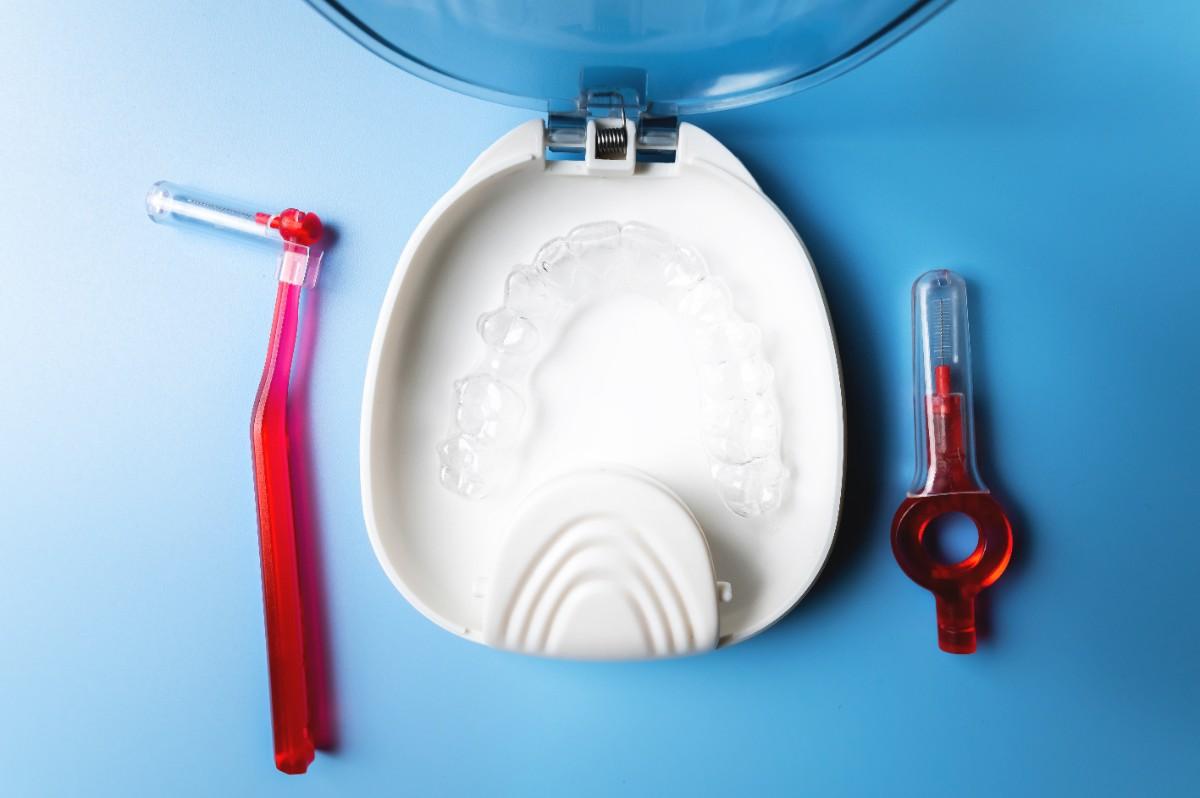
- Carry a small cleaning kit with a toothbrush and mild soap
- Use a portable aligner case to store them safely
- Rinse aligners whenever you remove them
- Keep cleaning tablets handy for quick soaking
Maintaining hygiene while traveling helps prevent issues and keeps your treatment consistent.
The Importance of Oral Hygiene Alongside Aligner Care
Cleaning aligners alone is not enough. Your teeth must also be clean before wearing them again.
- Brush After Every Meal
Food particles left on teeth can get trapped inside aligners, leading to plaque buildup.
- Floss Daily
Flossing removes debris from areas that brushing cannot reach.
- Rinse Your Mouth
If brushing is not possible, rinse your mouth thoroughly before putting your aligners back.
At Tarpon Dental, Dr. Seema Amin often reminds patients that aligner care and oral hygiene go hand in hand, helping them discover safe and effective aligner cleaning methods. Clean teeth help keep aligners clean.
How Often Should You Clean Invisalign Aligners
Consistency is key when it comes to cleaning.
- Rinse every time you remove them
- Brush at least twice a day
- Deep clean a few times a week
Following this routine helps keep your aligners in good condition and reduces the risk of dental issues.
Signs Your Aligners Need Better Cleaning
Sometimes, patients do not realize their cleaning routine needs improvement. Here are a few signs to watch for:
- Aligners look cloudy or stained
- Bad odor even after rinsing
- Sticky feeling on the surface
- Increased plaque on teeth
If you notice these signs, it may be time to improve your cleaning habits.
Tips to Keep Invisalign Aligners Clear
Keeping your aligners clear is important for both hygiene and appearance.
- Avoid drinking colored beverages with aligners on
- Store them properly in a clean case
- Clean them regularly without skipping
These simple steps help maintain the transparency of your aligners throughout treatment.
Professional Advice for Better Results
Every Invisalign case is different, and professional guidance can make a big difference. A provider like Dr. Seema Amin understands how aligners should be maintained for best results, which is why many patients read the Tarpon Dental guide to Invisalign hygiene.
Regular dental checkups help ensure that:
- Your aligners are fitting correctly
- Your teeth remain healthy
- Your cleaning routine is effective
Following expert advice helps you avoid common mistakes and keeps your treatment smooth.
Real Stories, Real Community Impact
Patients often share that their Invisalign journeys are transformative, both physically and emotionally. These stories reflect the trust built through transparency, innovation, and patient-first care.
If you want to hear directly from patients, explore their experiences on the Reviews page.
For directions, use this helpful Google Map or get step-by-step navigation through Get Directions.
FAQ’s
1. Can I use toothpaste to clean my Invisalign aligners?
No, toothpaste can scratch the aligners and make them look dull. It is better to use a soft toothbrush with water or mild soap.
2. How often should I deep clean my aligners?
Deep cleaning can be done a few times a week. This helps remove buildup that regular cleaning may miss.
3. Is it okay to drink water with aligners on?
Yes, plain water is safe.
4. What happens if I do not clean my aligners properly?
Poor oral hygiene can lead to bad breath, stains, and an increased risk of cavities and gum disease.
5. Can I soak my aligners overnight?
It is not recommended unless advised. Follow proper soaking instructions and avoid overexposure to cleaning solutions.
Conclusion
Properly cleaning Invisalign aligners is a simple but important part of the treatment process. It helps maintain oral hygiene, keep the aligners clean, and ensure that your treatment progresses as planned. By following a consistent routine and avoiding common mistakes, you can get the best results from your aligners. With guidance from experienced providers like Dr. Seema Amin at Tarpon Dental, maintaining clean aligners becomes easier and more effective as you discover safe, effective aligner-cleaning methods.
Remember: Clean aligners daily and always wear them on clean teeth. Consistency in care leads to better and faster results.
Disclaimer: This content is for informational purposes only and does not replace professional dental advice. Always consult your dentist for guidance specific to your treatment.