Meet Dr. Seema Amin
Dr. Seema Amin is a passionate and caring dentist based in Tarpon Springs, Florida, and the heart behind Tarpon Dental. A proud University of Florida College of Dentistry graduate (Go Gators!), she further honed her skills with a residency at the VA Hospital in Dayton, Ohio. Always staying at the forefront of dental innovation, Dr. Amin has completed extensive continuing education, especially in implant dentistry, and is a fellow of The International Congress of Oral Implantologists.
Patients appreciate her gentle approach and genuine commitment to building trust, easing dental anxiety, and crafting personalized treatment plans. When she’s not creating confident smiles, Dr. Amin enjoys family time, volunteering in the community, and living a healthy, active lifestyle.
Introduction
Most people picture Invisalign as something that happens in the background of their lives. You wear the trays, you swap them every so often, and one day you have a straighter smile. While that broad idea is true, the real story is a little more interesting. The patients who get the smoothest treatment and the most impressive final results are usually the ones who have quietly built a handful of small daily habits into their routine. None of these habits is complicated or time-consuming. They are simple, repeatable actions that add up to a noticeable improvement.
Dr. Seema Amin and the team at Tarpon Dental have guided many patients through Invisalign treatment, and a clear pattern shows up again and again. Treatment success rarely comes down to one big decision. It comes down to dozens of tiny, consistent choices made every single day. If you are currently wearing aligners or considering starting treatment, understanding these habits can help you reach your new smile faster and with fewer surprises along the way.
In this blog, we will walk through the everyday habits that quietly shape your Invisalign results, why they matter, and how you can build them into your routine with minimal effort.
Why Daily Habits Matter More Than You Think
Invisalign works by applying gentle, controlled pressure to your teeth through a series of custom aligners. Each tray is designed to move your teeth a small amount before you switch to the next one in the series, helping patients understand why Invisalign® maintenance matters every day. This system only works as intended when the aligners stay on your teeth for the recommended amount of time each day, generally around twenty to twenty-two hours.
That single detail explains why daily habits matter so much. A treatment plan built around consistent wear can be thrown off by small gaps in compliance that build up over weeks. Missing an hour here and there might not feel significant in the moment, but those minutes accumulate. Over the course of a full treatment plan, inconsistent wear can extend your timeline or affect the predictability of your tooth movement.
The good news is that building strong habits is not about willpower alone. It is about designing a routine that makes consistency easy.
Habit One: Treat Your Aligners Like Part of Your Morning and Night Routine
The patients who do best with Invisalign tend to treat their aligners the same way they treat brushing their teeth. It becomes automatic. Instead of thinking about whether to put the aligners back in, it simply becomes the next step after a meal or after brushing.
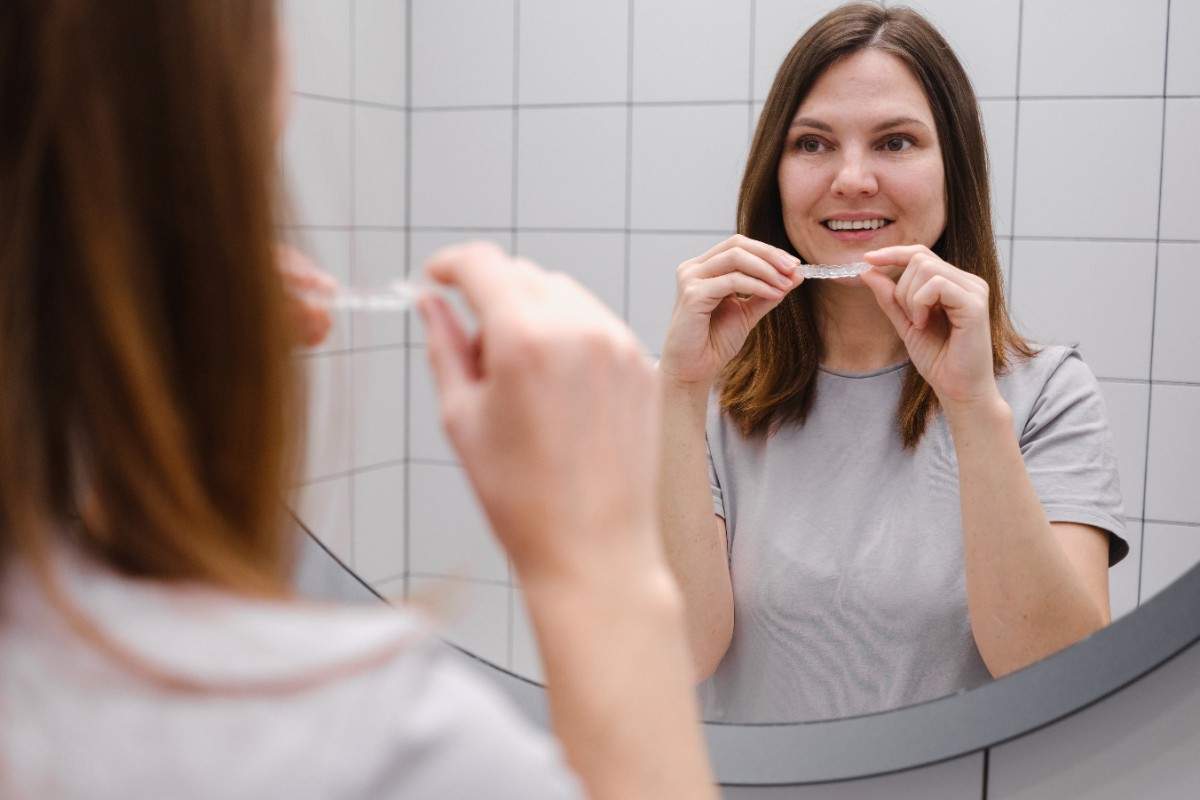
A helpful approach is to anchor aligner habits to things you already do every day. The best daily habits for successful clear aligner treatment include keeping your aligner case next to your toothbrush, setting a reminder on your phone for when you typically switch trays, and keeping a travel case in your bag or car so you are never caught without a safe place to store your aligners.
Habit Two: Stay on Top of Oral Hygiene
Invisalign trays sit directly against your teeth for most of the day, so anything left on them stays in close contact for hours. Brushing and flossing regularly are among the simplest habits that protect both your teeth and your aligners. A quick rinse and brush after meals, even a light one, keeps your trays clear and your enamel protected throughout treatment.
Cleaning the aligners themselves matters too. A soft toothbrush and lukewarm water are usually enough to keep them clear and fresh. Many patients also enjoy using cleaning crystals once or twice a week to explore simple routines for a healthier Invisalign® experience.
Habit Three: Track Your Tray Changes
It is easy to lose track of which tray you are on, especially during a busy week. Patients who keep a simple log, whether in a calendar, a notes app, or a dedicated Invisalign tracking app, tend to stay more consistent with their schedule. This habit also makes it easier to notice if a tray feels unusually tight or loose, which can be a helpful signal to mention at your next visit with Dr. Amin.
Habit Four: Handle Your Aligners With Care
Small physical habits protect your investment in treatment. Always handle your aligners with clean hands to learn how oral hygiene affects Invisalign® success. Store them in their case rather than wrapping them in a napkin or tissue, since napkins and tissues are often misplaced. Avoid bending or twisting the trays when inserting or removing them; instead, use gentle, even pressure. If you play sports or grind your teeth at night, let your dental team know so they can offer guidance tailored to your situation.
Habit Five: Stay Ahead of Your Appointments
Routine check-ins with Dr. Amin are a built-in part of the Invisalign process. These visits allow your dental team to confirm that your teeth are tracking properly with each new aligner and to catch any small issues early, before they become bigger ones. Patients who keep these appointments consistently, rather than repeatedly rescheduling, tend to move through their treatment plan more smoothly.
Habit Six: Pay Attention to How Your Aligners Fit
Your aligners should feel snug, especially right after a tray change, but that snugness should ease within a day or two. Paying attention to how each tray fits is one of the best daily habits for successful clear aligner treatment. It can tell you a lot about your progress. If a tray feels unusually loose before it is time to switch, or if it never seems to seat fully, it is worth mentioning to your dental team rather than waiting until your next scheduled visit.
Habit Seven: Stay Patient and Stay Positive
Tooth movement takes time, and it is normal for progress to feel slow in the middle stretch of treatment. Patients who stay encouraged, rather than discouraged, by gradual change tend to stick with their daily habits more reliably. Taking a quick photo of your smile every few weeks can be a simple, motivating way to see progress that might be hard to notice day to day.
Bringing It All Together
None of these habits is dramatic on its own. Setting a reminder, brushing a little more consistently, handling your trays gently, keeping appointments, and staying patient all help patients explore simple routines for a healthier Invisalign® experience. But together, they form the foundation of a smooth and predictable Invisalign journey. Dr. Seema Amin and the Tarpon Dental team often remind patients that the best results come not from perfection, but from steady, repeated effort over time.
If you are starting Invisalign or are partway through your treatment, take a moment to review your daily routine. Small adjustments now can make a noticeable difference in how your treatment progresses and how confident you feel along the way.
Real Stories, Real Community Impact
Patients often share that their Invisalign journeys are transformative, both physically and emotionally. These stories reflect the trust built through transparency, innovation, and patient-first care.
If you want to hear directly from patients, explore their experiences on the Reviews page.
For directions, use this helpful Google Map or get step-by-step navigation through Get Directions.
Frequently Asked Questions
1. How many hours a day should I wear my Invisalign aligners?
Most patients are advised to wear their aligners for about 20 to 22 hours each day. Consistent wear helps ensure your teeth move as planned.
2. How often do I need to switch to a new tray?
This varies by individual treatment plan, but many patients switch trays roughly every one to two weeks, depending on guidance from their dental team.
3. What should I do if my aligner feels too tight or too loose?
A bit of tightness right after switching trays is normal. If a tray feels unusually uncomfortable or does not seem to fit properly after a few days, contact your dental team for guidance.
4. How do I keep my aligners clean throughout the day?
Gently brushing them with a soft toothbrush and lukewarm water, along with occasional use of cleaning crystals, helps keep your aligners clear and fresh.
5. Will small interruptions in wear time really affect my results?
Yes, small gaps can add up over time. Staying consistent with daily wear helps keep your treatment on track and supports predictable results.
Conclusion
Invisalign success is built one day at a time through small, consistent habits rather than any single big decision. By paying attention to wear time, oral hygiene, tray care, and your appointment schedule, you can discover ways to keep your aligners clean and comfortable while setting yourself up for a smoother journey toward a confident new smile. Dr. Seema Amin and the Tarpon Dental team are always glad to support you with personalized guidance throughout your treatment.
Remember: Consistency in daily habits plays a major role in how smoothly and predictably your Invisalign treatment progresses. Small, simple routines often make the biggest difference in your final results.
Disclaimer: This blog is intended for general informational purposes only and does not replace professional dental advice. Please consult Dr. Seema Amin or your dental provider for guidance specific to your treatment plan.