| Quick answer People most at risk for oral cancer include tobacco users, heavy drinkers, those infected with HPV, adults over 40, men, and people with heavy sun exposure to the lips. Tobacco and alcohol together create the highest risk. |
| Over 40 Age when risk climbs sharply | 2 to 1 Men affected more than women | #1 factor Tobacco use | Rising HPV-related throat cancers |
| Key takeaways 1. Tobacco use is the single biggest risk factor, and combining it with alcohol multiplies the danger. 2. HPV infection is a growing cause of throat cancers, especially in younger adults. 3. Men over 40 are affected more often, but non-smokers can develop oral cancer too. 4. Early warning signs include sores that will not heal, lumps, and red or white patches. 5. Regular dental exams with screenings are one of the best ways to catch problems early. |
Who Is Most at Risk for Oral Cancer? The Short Answer
The people most at risk for oral cancer are tobacco users, heavy drinkers, individuals infected with certain strains of HPV, adults over 40, men, and those with long-term sun exposure to the lips. When tobacco and alcohol are combined, the risk rises even higher than either habit alone.
Quick-reference list of the highest-risk groups
- People who smoke cigarettes, cigars, or pipes, or use smokeless tobacco
- People who drink alcohol heavily, especially alongside tobacco
- Adults over the age of 40
- Men, who are diagnosed roughly twice as often as women
- People carrying high-risk HPV strains
- Outdoor workers and others with heavy sun exposure
- People with a weakened immune system or a family history of cancer
Why understanding your personal risk matters
Knowing your personal risk helps you and your dentist decide how closely to watch for early changes. Oral cancer is far more treatable when caught early, so understanding where you stand allows for smarter prevention and timely screenings. At Tarpon Dental, Dr. Seema Amin uses your health history and habits to guide the level of monitoring that fits you best.
| A note from Dr. Seema Amin “Many patients are surprised that a routine dental visit can catch something serious early. A few extra minutes for a screening can make an enormous difference in outcomes, and that is time worth spending.” |
What Is Oral Cancer?
Oral cancer is a growth of abnormal cells that begins in the mouth or the part of the throat just behind it. It can appear in many spots, and early lesions are often painless, which is why regular checks matter so much.
Areas of the mouth and throat affected
Oral cancer can develop in several locations, including the following:
- The lips, especially the lower lip
- The tongue, most often along its sides
- The gums and the floor of the mouth
- The inside lining of the cheeks
- The roof of the mouth
- The back of the throat, tonsils, and the base of the tongue
How common is oral and throat cancer?
Oral and throat cancers are among the more common cancers worldwide, and thousands of new cases are diagnosed in the United States each year. The American Cancer Society offers detailed patient-friendly information on how these cancers form and how frequently they occur, which you can explore in their overview of oral cavity and throat cancer. The encouraging news is that many cases are linked to habits you can change, and early detection greatly improves the chances of successful treatment.
The Major Risk Factors for Oral Cancer
The major risk factors for oral cancer are tobacco, alcohol, HPV infection, and heavy sun exposure to the lips. These are the causes most strongly tied to the disease, and several of them can be reduced or avoided.
Tobacco use (smoking and smokeless)
Tobacco is the leading cause of oral cancer. This includes cigarettes, cigars, pipes, and smokeless products such as chewing tobacco and snuff. Smokeless tobacco is especially linked to cancers of the cheek, gums, and lips because the product sits against these tissues for long periods.
Heavy alcohol consumption
Heavy and frequent alcohol use significantly raises the risk of oral cancer. Alcohol can irritate the cells lining the mouth and throat and may make it easier for harmful substances to affect those tissues. The more a person drinks over time, the greater the risk becomes.
Combined tobacco and alcohol effect
Using tobacco and drinking alcohol together is far more dangerous than either one alone. The two habits work against your tissues in different ways, and combined they raise the risk of oral cancer dramatically. This is one of the most important patterns Dr. Seema Amin discusses with patients who use both.
HPV infection
Certain strains of the human papillomavirus, especially HPV-16, are a growing cause of cancers at the back of the throat and base of the tongue. These HPV-related cancers are appearing more often in younger adults who may not smoke or drink heavily. The Centers for Disease Control and Prevention provides clear guidance on how HPV spreads and the cancers it can cause in its resource on HPV and cancer, which is useful reading for anyone weighing vaccination.
Excessive sun and UV exposure
Long-term sun exposure is a leading cause of cancer of the lips, particularly the lower lip. People who work outdoors or spend many hours in the sun without lip protection face a higher risk. A lip balm with sun protection and a wide-brimmed hat are simple, effective safeguards.
Warning Signs You Should Never Ignore
The most important warning signs are sores that do not heal, unusual lumps or patches, and persistent trouble swallowing. If any of these last longer than two weeks, have them checked promptly.
Sores that do not heal
A sore in your mouth or on your lip that does not heal within two weeks deserves attention. Most mouth sores clear up quickly, so one that lingers should be examined.
Lumps, patches, and color changes
Be alert for the following changes:
- A lump or thickened area inside the mouth or on the neck
- White or red patches on the gums, tongue, or lining of the mouth
- Rough spots or areas that bleed easily
- Numbness in any part of the mouth or lips
Difficulty swallowing or persistent pain
Ongoing pain, a feeling that something is stuck in your throat, hoarseness, or difficulty swallowing can all be warning signs, especially when they do not go away. These symptoms should never be ignored, and a prompt visit can bring peace of mind or early answers.
How to Lower Your Oral Cancer Risk
You can lower your risk by avoiding tobacco, limiting alcohol, protecting your lips from the sun, eating well, and keeping up with dental exams. Small, steady changes add up to real protection.
| Use these 1. Regular dental checkups with screenings 2. Lip balm with sun protection outdoors 3. A diet rich in fruits and vegetables 4. Support to quit tobacco 5. Vaccination guidance for HPV | Avoid these 1. Cigarettes, cigars, and pipes 2. Smokeless and chewing tobacco 3. Heavy or frequent alcohol use 4. Long sun exposure without lip cover 5. Ignoring sores lasting over two weeks |
Quit tobacco and limit alcohol
Quitting tobacco is the single most powerful step you can take, and cutting back on alcohol adds further protection. If you use both, reducing them together lowers your risk the most.
HPV vaccination and sun protection
The HPV vaccine can help prevent infections linked to throat cancers, and it is most effective when given at younger ages. Protecting your lips from the sun with balm and a hat guards against lip cancer.
Nutrition and healthy habits
A balanced diet supports healthy tissues in the mouth and throughout the body. Staying active and managing overall health also help your body defend itself.
Routine dental exams and screenings
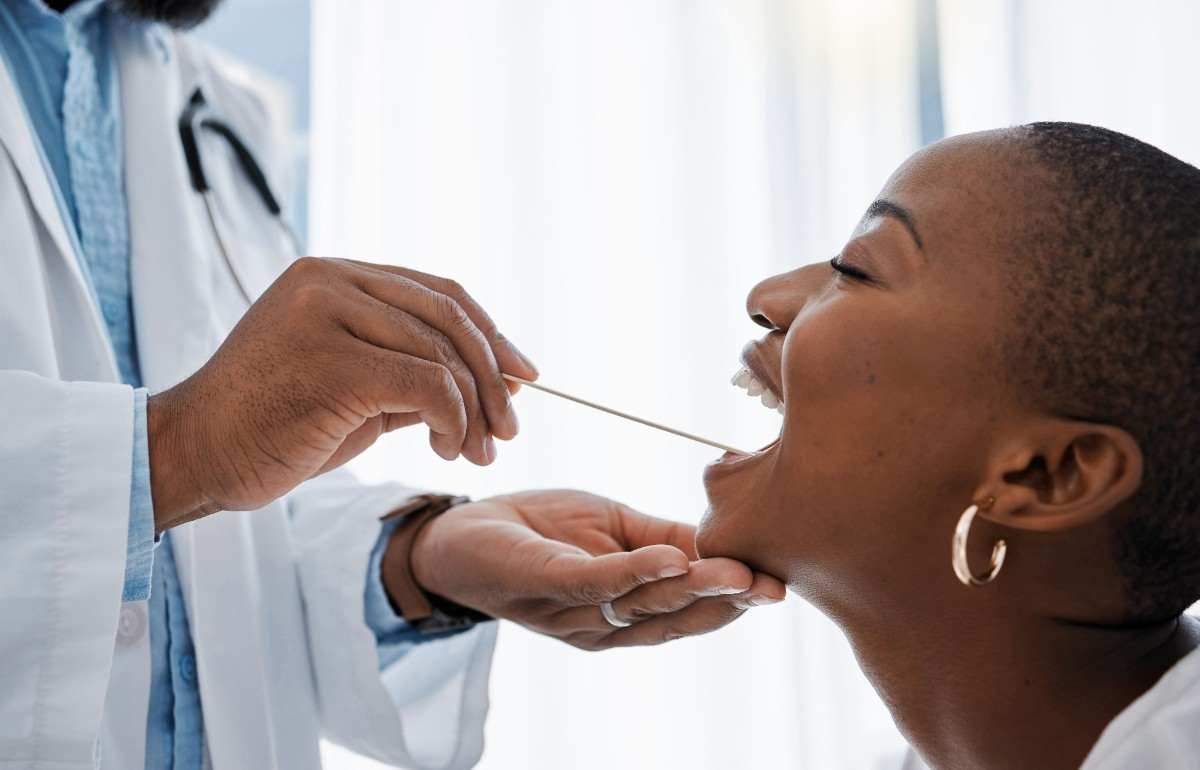
Regular visits allow your dentist to spot early changes you might not notice. During your checkup at Tarpon Dental, a quick screening is part of caring for your whole mouth.
1. Visual check
Dr. Seema Amin looks closely at your lips, gums, tongue, and throat for any unusual spots or color changes.
2. Gentle feel
She gently feels the tissues of your mouth and neck for lumps or thickened areas.
3. Review and plan
Any findings are discussed with you, and next steps are recommended if needed.
Oral Cancer Screening at Our Tarpon Springs, FL Dental Office
Oral cancer screening at Tarpon Dental is a quick, comfortable part of your routine visit. It gives you and Dr. Seema Amin a chance to catch any concerns early.
What to expect during a screening
The screening is painless and takes only a few minutes. Dr. Seema Amin examines the soft tissues of your mouth and throat and gently checks your neck. There is no special preparation needed on your part.
How often you should be screened
Most adults benefit from a screening at each regular checkup, usually twice a year. If you have higher risk from tobacco, alcohol, or other factors, we may suggest checking more closely. The American Dental Association shares helpful patient information about these exams in its overview of oral cancer screening and prevention, which explains what to watch for at home.
Scheduling your preventive visit
Booking your visit is simple. Call Tarpon Dental at (727) 937-4285 to schedule your checkup and screening in Tarpon Springs, FL. Regular care through our Preventive & Family Dentistry keeps your smile healthy and your mind at ease. For directions, use this helpful Google Map or get step-by-step navigation through Get Directions.
Meet Dr. Seema Amin, DMD
Dr. Seema Amin believes dentistry is about people first, teeth second. She earned her Doctor of Dental Medicine degree from the University of Florida College of Dentistry in 1998, then completed a General Practice Residency at the VA Hospital in Dayton, Ohio, where she deepened her training across every area of general dentistry.
She has never stopped learning since. Dr. Amin has completed over 150 hours of continuing education in implant dentistry and holds active memberships with the American Dental Association, Florida Dental Association, West Coast Dental Association, Pinellas County Dental Association, Academy of General Dentistry, Las Vegas Institute for Advanced Studies, and the Dental Organization for Conscious Sedation. She is also a fellow of the International Congress of Oral Implantologists, keeping her practice rooted in the latest techniques modern dentistry has to offer.
What patients notice most, though, is her calm, caring approach. Dr. Amin takes the time to listen, understand each patient’s specific wants and needs, and build a personalized treatment plan around them, easing dental anxiety and building lasting, trusting relationships along the way. She’s always accessible for questions, making sure every patient feels genuinely cared for.
Frequently asked questions
| Q: Who is most at risk for oral cancer? Tobacco users, heavy drinkers, people infected with HPV, adults over 40, and men are most at risk. Long-term sun exposure to the lips and a weakened immune system also raise the risk. Combining tobacco and alcohol is especially dangerous. |
| Q: What is the major risk factor for oral cancer? Tobacco use is the single biggest risk factor, including cigarettes, cigars, pipes, and smokeless products. The risk climbs even higher when tobacco is combined with heavy alcohol use. |
| Q: What are the five major risk factors for cancer? For oral cancer specifically, the leading factors are tobacco use, heavy alcohol use, HPV infection, excessive sun exposure to the lips, and increasing age. Family history and a weakened immune system can add to that risk. |
| Q: Who is prone to mouth cancer? People who smoke or chew tobacco, drink heavily, spend long hours in the sun without lip protection, or carry high-risk HPV are more prone to mouth cancer. Men over 40 are diagnosed most often. |
| Q: Can non-smokers get oral cancer? Yes. Non-smokers can develop oral cancer, particularly cancers of the throat linked to HPV. This is why regular screenings matter even if you have never used tobacco. |
| Q: How often should I be screened for oral cancer? Most adults should be screened at each regular dental checkup, usually twice a year. If you have higher risk factors, Dr. Seema Amin at Tarpon Dental may recommend closer monitoring. |
Remember
Oral cancer is far more treatable when found early, and a simple screening during your regular visit is one of the best ways to protect yourself.
Disclaimer: This article is for general information only and is not a substitute for professional advice. Please consult Dr. Seema Amin or your dental provider about your individual needs.