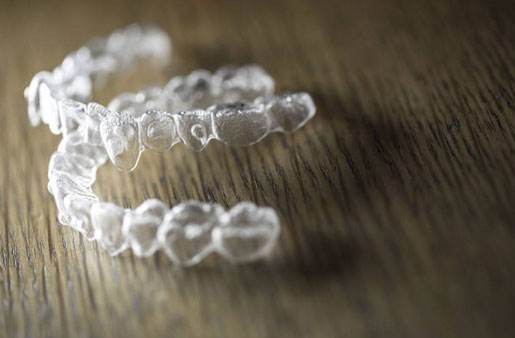
When it comes to achieving a perfect smile, many people wonder if they can tackle dental issues like overbites without resorting to traditional braces. If you’re one of those people, you’re in the right place! Let’s dive into how Invisalign—the clear aligner alternative—might just be the solution you’ve been looking for. Known for its discreet design and comfort, Invisalign offers a modern approach to fixing bite problems without the noticeable metal brackets. In this guide, we’ll explore how effective these aligners are, what to expect during treatment, and ultimately help you decide if they’re the right option for your dental journey. Get ready to uncover the path to a healthier, more confident smile!
Yes, Invisalign is effective in correcting overbites and other bite issues by gradually moving teeth into the desired position using a series of clear aligners. Treatment results may vary based on the severity of the overbite, but many patients experience significant improvements within 12 to 24 months.
Effectiveness of Invisalign for Overbites
Overbites can be a source of discomfort and self-consciousness for many, impacting both dental health and appearance. Fortunately, Invisalign’s clear aligners provide an appealing alternative to traditional braces. These aligners work by gently applying pressure to move teeth into alignment over time. This method is not only efficient but also less intrusive than metal braces, making it particularly attractive to adults and teens alike.
Recent findings published in the American Journal of Orthodontics and Dentofacial Orthopedics reveal that Invisalign can successfully reduce overbite by an average of 2.5 mm to 3.5 mm throughout the treatment duration. In fact, the American Association of Orthodontists reports that approximately 70% of orthodontists acknowledge Invisalign as effective for mild to moderate overbites.
What does this mean for patients? It means that with a typical treatment period ranging from 12 to 18 months, Invisalign could help individuals achieve a straighter smile without the aesthetic concerns associated with metal braces. The clear aligners blend seamlessly into daily life, allowing for significant improvements without drawing attention.
“I was initially skeptical, but Invisalign worked wonders for my overbite,” shares Marissa, a satisfied patient. Her experience mirrors those of many who have found newfound confidence after their treatment.
While showcasing results similar to traditional braces, understanding why some opt for Invisalign is essential in appreciating its advantages.
Key factors contributing to its effectiveness include comfort and convenience. Patients must wear the aligners for 20–22 hours per day, changing them every 1–2 weeks as they progress through their personalized treatment plan. This regular switching ensures continual improvement while allowing patients to enjoy the flexibility of removing the aligners when eating or cleaning their teeth—something that’s not possible with traditional braces.
Though it’s important to note that not every case may be suitable for Invisalign, especially severe skeletal overbites requiring surgical intervention, many people find that they can effectively address their concerns using these aligners. This adaptability makes it a fitting choice for a range of bite issues.
As we explore further, comprehending the distinctions between various orthodontic options will shed light on what best suits different needs.
Comparing Invisalign and Traditional Braces
Aesthetic Appeal
One of the most significant advantages of Invisalign is its discreet design. Unlike traditional braces, which often come with noticeable metal brackets and wires, Invisalign aligners are crafted from clear plastic that conforms snugly to your teeth. This near-invisibility makes them an ideal choice for adults and teenagers who may feel self-conscious about their appearance.
Imagine walking into a meeting or attending a social event without the worry of flashing a metallic smile; this subtlety lends itself to greater confidence during treatment.
Comfort and Convenience
Comfort is another area where Invisalign stands out. The smooth edges of the aligners minimize the risk of mouth sores that can often accompany traditional braces, especially during the initial adjustment periods or after tightening adjustments.
Moreover, the fact that these aligners are removable adds a layer of convenience that many prefer. You can take them out while eating, brushing, or flossing, making daily hygiene routines simpler; you don’t have to navigate around brackets and wires. This means you can enjoy all your favorite foods without worrying about damaging your braces—or dealing with food getting stuck between them.
Effectiveness
However, while Invisalign shines in comfort and aesthetics, traditional braces often have better control over severe cases of misalignment. The brackets and wires can exert continuous pressure on specific teeth, allowing for intricate movements that might be necessary for complex orthodontic issues.
For instance, if you are dealing with a severe overbite or severe crowding, some orthodontists may recommend starting with traditional metal braces for faster and more reliable results.
With these differences outlined, understanding the treatment process can provide valuable insights into why many choose clear aligners over metal options as their preferred method for achieving straighter teeth.
Step-by-Step Invisalign Treatment Process
Navigating the Invisalign treatment process isn’t just about getting straight teeth; it is an engaging experience that transforms your smile over time. The journey begins with an initial consultation, which is vital for determining whether Invisalign is right for you. During this visit, an orthodontist will conduct a thorough evaluation using state-of-the-art 3D imaging technology to assess your dental structure and specific needs. This advanced imaging not only helps visualize your current bite alignment but also illustrates how your teeth will gradually shift into their ideal positions throughout treatment.
Initial Consultation
In this crucial first step, expect to discuss your dental history, any concerns you might have, and what you’re hoping to achieve with treatment. This is also a great opportunity to ask questions about the process or potential outcomes. An orthodontist will examine your teeth, take impressions or digital scans, and may even recommend additional treatments if needed.
Custom Plan Creation
Once it’s confirmed that you’re a candidate for Invisalign, the next phase involves creating a personalized treatment plan tailored specifically for you. This plan is crafted using the earlier 3D images, allowing your orthodontist to map out the precise movements of your teeth throughout the entire course of treatment. With this roadmap ready, custom aligners are designed just for you. These aligners are made from smooth plastic that fits snugly over your teeth, ensuring comfort as they gently guide your teeth into alignment.
Wear and Adjust
After receiving your custom aligners, the real work begins! Each aligner must be worn for 20 to 22 hours a day—this includes during meals and while sleeping—to ensure effective results. You’ll change to a new set approximately every one to two weeks as your teeth continue to shift. The changes may feel minor at each stage, yet cumulatively they lead to significant results over time.
Regular check-ins with your orthodontist play an essential role in monitoring progress during this phase. These visits occur roughly every six to eight weeks and allow for adjustments based on how well your teeth are responding to the aligners. It’s fascinating how these routine appointments become checkpoints where you can visibly see shifts in alignment—a rewarding part of the process!
Gaining insight into these steps not only empowers you but also sets the foundation for understanding what lies ahead in terms of timeline and anticipated outcomes as you continue your journey toward achieving a confident smile.
Treatment Duration and Expected Results
The duration of Invisalign treatment is often a key concern for patients, especially when addressing an overbite. On average, treatment can span anywhere from 12 to 18 months, but don’t be surprised if it extends to 24 months for those with more pronounced or complicated cases. Your individual needs play a significant role in determining the length of time you’ll be wearing those clear aligners.
For instance, many patients with minor overbites may experience noticeable improvement in as little as 6 months! This quick turnaround stems from the adaptability of Invisalign; it allows for faster shifts in tooth positioning without the bulkiness of traditional braces.
“My overbite was corrected in just under a year, which was quicker than I expected,” says John, a former patient who benefited from this method. Stories like John’s illustrate that patience pays off, as the journey often culminates in not just a better bite but also a boost in confidence.
Moreover, it’s important to recognize that treatment plans are tailored specifically for you. Your orthodontist will map out a personalized approach using advanced technology to ensure alignment changes occur efficiently. The process typically involves replacing aligners every one to two weeks, maintaining consistency with your treatment plan to yield optimal results. Plus, since you’ll be wearing the aligners for 20 to 22 hours per day, this consistent wear is crucial to achieving desired results within the anticipated timeframe.
As much as we want quick fixes, keep in mind that rushing through treatment could potentially compromise the outcome. Every smile has its unique intricacies, adjusting based on bone structure and existing dental conditions. Therefore, while one patient might finish at a rapid pace, another might need additional time to secure a well-aligned bite.
Staying committed during your Invisalign journey ensures that you can achieve the best possible results within a manageable time frame while considering various financial aspects tied to your treatment plan.
Cost and Financial Considerations
When it comes to the cost of Invisalign, the figures can be quite surprising. On average, treatment typically ranges from $3,000 to $7,000. Several factors influence this price point, including the complexity of your dental issues and where you’re located geographically. For instance, if you’re in a large urban center, prices might skew higher due to increased overhead costs for dental practices. Therefore, understanding your specific situation becomes essential.
Now, while that number may seem daunting at first, it’s important to remember that many dental insurance plans do cover part of the expense associated with Invisalign. For individuals fortunate enough to have insurance, this coverage can significantly reduce their out-of-pocket costs. In fact, some plans could absorb anywhere from 30% to 50% of the total treatment cost—this is precisely why checking with your dental insurer ahead of time can save you a considerable amount of money.
It’s always advisable to have an open conversation with your provider about what costs you can expect and how insurance might apply.
Speaking of conversations, engaging with your Tarpon Springs dentist about flexible payment plans is another actionable step that many people overlook. Many dental clinics understand that orthodontics is a significant investment and offer payment plans or financing options that break down the upfront cost into more manageable monthly payments. This flexibility allows many patients who may have been hesitant to proceed with treatment to do so without overwhelming their finances.
It’s also essential to keep in mind that while price plays an influential role in decision-making, the value derived from aligning your bite through Invisalign should not be underestimated. You’re investing not just in straight teeth but also in improved oral health and enhanced self-esteem.
Finally, consider the long-term implications: inadequate treatment for misalignments like overbites could lead to more severe dental issues later on. Addressing potential problems early with a thoughtful approach could prevent future expenses related to more extensive procedures.
With finances considered, evaluating how this treatment aligns with your unique requirements becomes crucial—ensuring optimal outcomes for both your smile and overall well-being is key.
Is Invisalign the Right Choice for You?
Determining if Invisalign is the ideal option starts with an honest assessment of personal factors. For starters, think about your commitment level; are you prepared to wear the aligners for 20-22 hours each day? Consistent wear is crucial for achieving the best results in a timely manner. If you’re willing to adhere to this routine, you’re already on the right track.
Think about it—what’s a few hours of dedication daily compared to a lifetime of benefits like improved function and aesthetics?
Several key factors will help you decide on Invisalign:
- The severity of your overbite or bite issue: Mild to moderate cases respond well to clear aligners, but severe misalignments might require more traditional methods.
- Your budget and insurance coverage: Understanding what you’re financially able to commit will significantly impact your selection.
- Personal preferences regarding appearance and comfort: If you value discretion in treatment, clear aligners may be an ideal choice.
- Your ability to follow the treatment plan diligently: Commitment is key. Consistency in wearing the aligners brings faster results and minimizes setbacks.
Young professionals and teens often gravitate toward Invisalign due to its almost invisible appearance. Instead of metal brackets marring their smiles during important moments, they can smile confidently while undergoing treatment.
It’s worth acknowledging that clear aligners not only serve aesthetic purposes but also prioritize comfort—there’s no chafing from wires or brackets.
If you’re still unsure whether Invisalign is the right choice for you, consulting with experts at Tarpon Dental can help clarify your options. By visiting Tarpon Dental, you’ll gain personalized insights into achieving a healthy and beautiful smile tailored specifically to your needs.
In conclusion, taking the step towards better oral health with Invisalign in Tarpon Springs could transform both your appearance and confidence. Don’t hesitate—reach out today for a consultation!