Starting your InvisalignTM treatment can feel a bit like stepping into a new routine—it’s exciting, but it also comes with its challenges. While most people are eager to see their straightened smiles develop, there are some common mistakes that can slow down the process. From forgetting to wear your aligners enough each day to not sticking to cleaning habits, these missteps can hamper your results and lead to frustration. In this article, we’ll explore those pitfalls so you can avoid them and maximize the effectiveness of your InvisalignTM journey. Let’s dive into the essential tips that will help ensure everything goes smoothly!
Some common mistakes to avoid during your InvisalignTM treatment include not wearing the aligners for the recommended 20-22 hours per day, skipping regular check-ups every 6-8 weeks, neglecting oral hygiene practices, and failing to properly store aligners when not in use. By being diligent about these factors, you can help ensure your treatment progresses smoothly and effectively.
Common Mistakes During InvisalignTM Treatment
Many users start their InvisalignTM journey with enthusiasm, but it’s easy to fall into common traps that can stall progress. One of the primary errors involves not wearing aligners for the recommended 20-22 hours per day. Each hour that your aligners are off is an hour lost in your treatment timeline. Skipping nighttime wear or keeping them out longer than necessary during meals might seem harmless at first, but this inconsistency can lead to extended treatment times and frustration.
Statistically, around 30% of InvisalignTM users do not adhere to the recommended wear time, significantly impacting their journey toward a straighter smile. These skipped hours can seriously delay your results, so it’s essential to commit to keeping the aligners in place when you can.
Another frequent oversight involves neglecting cleaning routines. After removing your aligners, users sometimes forget to rinse them before storing them away. This small habit may seem trivial, yet failing to do so allows bacteria the opportunity to multiply on the trays. Not only does this jeopardize your oral hygiene, but it can also lead to unpleasant smells and stickiness later. Imagine putting those aligners back into your mouth; it’s not a pleasant thought.
Improper Storage Practices
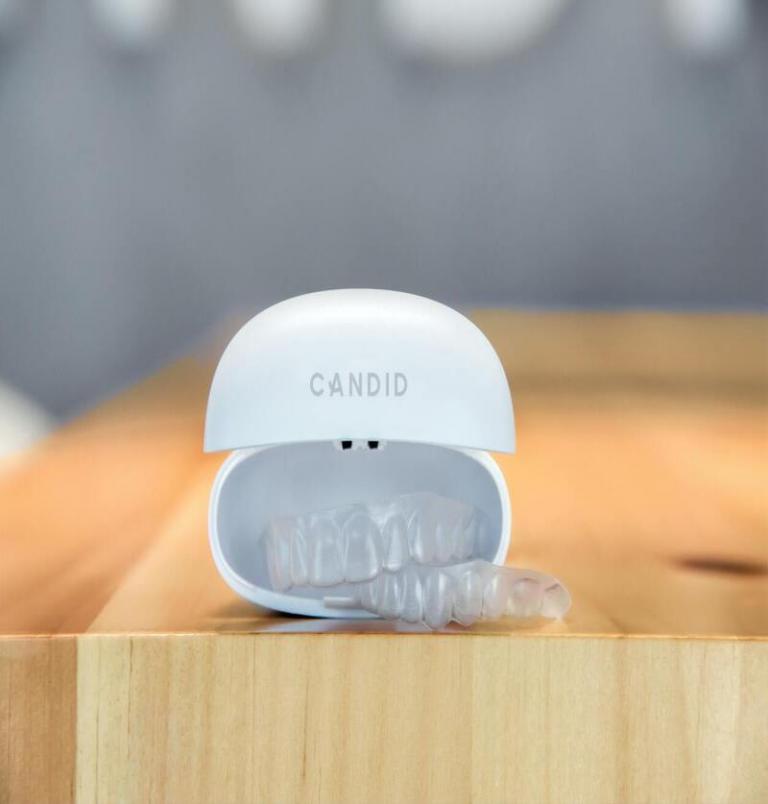
Improper storage practices also contribute to issues during treatment. Leaving aligners exposed invites bacteria and potential damage from environmental factors. Ideally, you should always store your aligners in their protective case when they’re not being worn—not on a counter or in a napkin where they could be lost or contaminated.
Moving beyond storage, it’s crucial to address the impact of poor oral hygiene. Maintaining an effective brushing and flossing routine is non-negotiable when using InvisalignTM. Trapped food particles can become breeding grounds for bacteria, leading to decay and gum disease.
If you’re guilty of deviating from these essential practices, you may find yourself facing unnecessary consequences. Failing to keep up with regular dental check-ups every 6-8 weeks is another critical mistake that can hinder progress. These visits allow for monitoring and adjusting your treatment plan as needed—skipping them could mean missing key opportunities to ensure your teeth are moving as they should.
Consistent use of aligners, diligent cleaning, proper storage practices, and routine dental visits play fundamental roles in ensuring that you achieve the best results possible during this transformative time.
As we navigate these common challenges, understanding how to effectively manage your aligners will greatly enhance your overall experience and success throughout the process.
Wearing Aligners Properly
To fully unlock the potential of your InvisalignTM treatment, ensuring that your aligners fit snugly against your teeth is essential. When your aligners sit properly, they are poised to exert the proper pressure needed to gradually shift your teeth into their desired positions. It’s like putting on a perfectly tailored jacket; if it fits just right, it not only looks great but also performs its purpose effectively.
Ensuring a Snug Fit
A little bit of attention can go a long way in achieving the ideal fit for your aligners. Start by visually inspecting them—there should be no noticeable gaps between the aligners and your teeth. If you find any space, it’s vital to adjust them promptly because even slight misalignments can hinder progress.
To aid with this, a handy tool called Chewies comes into play. These small cylindrical tools are designed specifically to help seat your aligners correctly. By biting down gently on them for a few minutes, you can provide that extra push needed to settle the aligners firmly into place. This not only enhances comfort but also boosts their effectiveness in guiding your teeth.
Many patients have found that integrating Chewies into their daily routine makes a noticeable difference in overall fit and comfort throughout the treatment process. A quick session with Chewies can become part of a nightly ritual—think about how easy it is to incorporate while watching TV or winding down for bed.
For those new to this journey, remember that adjustment periods are entirely normal. In fact, feeling slight tightness in the first few days of wearing new aligners is usually a good sign that they’re doing their job. However, if discomfort seems excessive or lasts beyond an initial transition period, it’s essential to consult your orthodontist for guidance.
Focusing on these aspects will not only enhance your comfort but also contribute significantly to the success of your treatment. As we move forward, let’s explore the importance of adhering closely to professional recommendations from your orthodontist.
Following Orthodontist Recommendations
When undertaking an orthodontic journey with InvisalignTM, think of your orthodontist as your guiding coach. Their recommendations are tailored specifically to your unique dental situation. Ignoring their advice can mean missing out on the best possible results and prolonging your treatment time. Wearing your aligners for at least 20-22 hours a day is vital. This consistency ensures that the teeth move as planned and minimizes discomfort from infrequent wear.
Regular check-ups every 6-8 weeks are essential for tracking progress. During these appointments, your orthodontist will assess how well the aligners are working and may suggest changes or adjustments. Plus, they can catch potential issues early on before they develop into more significant problems. For instance, if they notice that an aligner isn’t fitting properly, they can pivot quickly to address it instead of waiting until the next scheduled appointment months down the line.
The relationship between you and your orthodontist is built on open communication, which is key in aligning your expectations and outcomes.
Following care instructions is paramount for maintaining your aligners’ integrity. It’s highly recommended to clean them daily using a soft toothbrush and mild soap. This practice not only keeps them fresh but also prevents bacterial growth, an often overlooked factor that can lead to dental complications. Avoid using mouthwash for cleaning since its alcohol content can damage the aligners and diminish their clarity over time.
Proper storage of your aligners when they’re not in use is a must. Leaving them exposed invites bacteria and other contaminants. Keeping them in their designated case ensures that they stay clean and protected.
Think of it this way: You wouldn’t leave an expensive dress shoe lying out on the kitchen counter, would you? Treat those aligners with equal respect!
By adhering to these expert recommendations, you’re setting yourself up for success in your treatment journey. As we shift focus, it’s important to explore how effective habits can further enhance your InvisalignTM experience.
Effective Cleaning Routines
Proper cleaning ensures that your aligners remain effective and hygienic, serving their purpose of gradually shifting your teeth into correct alignment. It’s not just about appearance; it’s about maintaining a healthy mouth throughout your treatment.
Step-by-Step Cleaning Guide
The first step is straightforward yet essential: remove your aligners and rinse them immediately after taking them out. This simple act helps prevent plaque buildup and stops bacteria from settling on the aligners, which could lead to unwanted odors or stains. Just warm water will do wonders at this point—there is no need for fancy solutions yet! Think of it as giving your aligners a refreshing splash.
Next, we move on to the scrubbing phase, which should be gentle but thorough.
After rinsing, grab a soft toothbrush specifically designated for your aligners—not the same one you use for your teeth! Use clear, unscented soap to gently scrub the aligners. Avoid using toothpaste; while it may seem like a natural choice, many kinds contain abrasives that can scratch and damage the plastic over time. Imagine trying to keep a clear window spotless while accidentally etching it with abrasive materials; the result would be clouded clarity instead of crystal clear.
Now that your aligners are clean from surface grime, let’s tackle any lingering bacteria.
To give your aligners a deeper clean, soak them periodically, especially if you notice any discoloration or odors. You can use either an InvisalignTM cleaning solution or make your own solution by mixing equal parts hydrogen peroxide and water. Soak them for about 15 minutes. This process not only helps eliminate bacteria but also freshens up the material, keeping it free from stubborn odors. After soaking, rinse them gently again to remove any residual cleaning solution.
Remember that consistency is key in this regimen.
To avoid stains and bacteria from thriving, make cleaning your aligners a daily ritual without fail. Establishing a routine—perhaps incorporating it into your morning and evening rituals—enhances both hygiene and effectiveness of the treatment. Just like brushing your teeth or washing your face before bed, regular maintenance of your aligners contributes significantly to achieving that desired smile.
Consider it like tending to a pet: if you don’t feed and groom them regularly, they won’t thrive!
By effectively maintaining this cleaning regimen, you’re not just protecting your aligners but also setting the stage for a successful treatment journey ahead. Let’s turn our attention now to some dietary considerations crucial for preserving the clarity and condition of your aligners.
Avoiding Stain-Causing Foods and Drinks
Certain foods and beverages can be sneaky culprits when it comes to staining your InvisalignTM aligners. If you’re not careful, you might find that those crisp, clear trays become tinted, diminishing the aesthetic benefits that InvisalignTM offers. The common list includes notorious offenders like red wine, coffee, tea, berries, and tomato sauce. Each carries its own staining potential due to pigments or acids, making them a risk for anyone who wears aligners.
- Red Wine: Known for its deep color, red wine contains chromogens and tannins that significantly increase staining potential. Research indicates a staggering 70% increase in staining from this beverage alone.
- Coffee: With its high tannin content, coffee has been shown to raise staining potential by 60%. Many need our morning brew; however, this daily indulgence can have an outsized effect on the clarity of aligners.
- Tea (Black): Similar to coffee, black tea contains polyphenols, which contribute to a 50% increase in staining. Its darker hue can easily transform your aligners into a less-than-fresh accessory.
- Berries: Fruits like blueberries and blackberries are delicious but pack quite a punch regarding pigment; they can increase stain likelihood by 40%.
- Tomato Sauce: This ubiquitous condiment can severely mar the brightness of your aligners because of its strong coloring properties.
Now, here’s the kicker: removing your aligners while enjoying these foods is essential. Failure to do so exposes your aligners to staining and jeopardizes your oral health.
After you’ve enjoyed any of these delectable items, make it a habit to rinse your mouth with water before putting your aligners back in. This simple act not only washes away residues but also prevents food particles from lingering against your teeth and aligners. Cleaning your aligners before reinserting them is equally crucial; even a quick rinse can go a long way toward maintaining hygiene.
Being diligent about what you consume is key; it sets the foundation for maintaining the integrity of your treatment. Next, let’s explore practical strategies to effectively tackle any discomfort associated with wearing your aligners.
Managing Discomfort Efficiently
Experiencing discomfort with new aligners is completely normal and may even feel daunting, especially for first-time users. Luckily, there are simple yet effective ways to alleviate that initial soreness.
For instance, using orthodontic wax can provide immediate relief by covering any sharp edges of the aligners that might irritate your gums. Just apply a small amount to those troublesome spots; it acts like a cushion, helping prevent further irritation throughout your treatment.
Another helpful tip is to keep over-the-counter pain relievers on hand. Medications like ibuprofen or acetaminophen can ease any discomfort you feel during the adjustment phase. This strategy not only minimizes pain but also helps you stick to your wear schedule without being deterred by discomfort. However, always follow the dosage instructions on the packaging and consult with your orthodontist if you have concerns about taking these medications regularly.
Some patients find relief by applying a cold compress to their jaw after switching to new aligners. This practice can help numb the area and reduce swelling, providing comfort as you get used to your aligners. Just place the compress against your jaw for 15-20 minutes—it’s a simple step that can make a noticeable difference!
Also, consider switching to new aligners before bedtime; this allows your body to adjust overnight while you sleep, easing some of the discomfort so you wake up ready to tackle your day.
Remember, every patient’s experience is different; what works for one person may not be an exact match for another.
As you navigate through your treatment, managing discomfort is just one aspect of staying compliant with InvisalignTM. With a little diligence in self-care and regular check-ins with your orthodontist, you’ll find that as time goes by, any initial discomfort will be far outweighed by the progress you’re making towards that beautiful smile!
Understanding how to cope with discomfort is vital, just as much as having realistic expectations about your journey ahead. With these insights in mind, we can now explore how to set achievable goals throughout your treatment process.
Maintaining Realistic Expectations
It’s essential to approach your InvisalignTM treatment with an open mind and realistic goals. Many individuals start their journey eager for quick results, but the truth is that transforming your smile takes time and dedication. The invisible aligners are designed to move your teeth gently into place, which means changes won’t happen overnight.
This gradual process is not only effective; it’s also part of what makes InvisalignTM appealing, allowing for minimal disruption to your daily life while achieving beautiful results.
Setting Realistic Goals
Begin by discussing potential outcomes and treatment duration with your orthodontist. They will provide insight based on your unique dental situation, helping you understand how long you might need to wear the aligners.
Most people may expect treatment durations to average around 12 months, but this can vary widely depending on each individual’s circumstances. Knowing ahead of time that some cases may require refinements or additional treatments helps set the tone for success.
Many patients feel disheartened if they don’t see instant improvement. However, patience is a crucial aspect of any orthodontic treatment. It’s important to remind yourself that a well-aligned smile is built step-by-step.
One way to foster realistic expectations is to set specific milestones with your orthodontist, perhaps marked by scheduled check-ups every six to eight weeks. These appointments can serve as checkpoints for assessing your smile’s progress and reinforcing your commitment to the process.
Consider keeping a visual journal of your progress by taking photos when you change aligners. This practice can instill enthusiasm and work against feelings of stagnation or impatience. As the weeks roll by, you’ll likely notice shifts in alignment that may not be obvious day-to-day.
Remember that it’s normal for teeth to shift slowly, which means some discomfort is expected as you progress from one set of aligners to the next. Instead of dreading these stages, try viewing them as positive signals of movement! Embracing this mindset fosters resilience and enhances motivation throughout the journey.
Ultimately, smooth sailing through your treatment hinges on understanding that success comes from commitment and consistency. By aligning your expectations with reality, you pave the way for an experience that leads to a confident new smile.
To embrace this journey effectively, remember the importance of proper care and maintenance during your InvisalignTM treatment. For personalized guidance, don’t hesitate to consult with professionals at Tarpon Dental. Call us at (727) 937-4285 today!