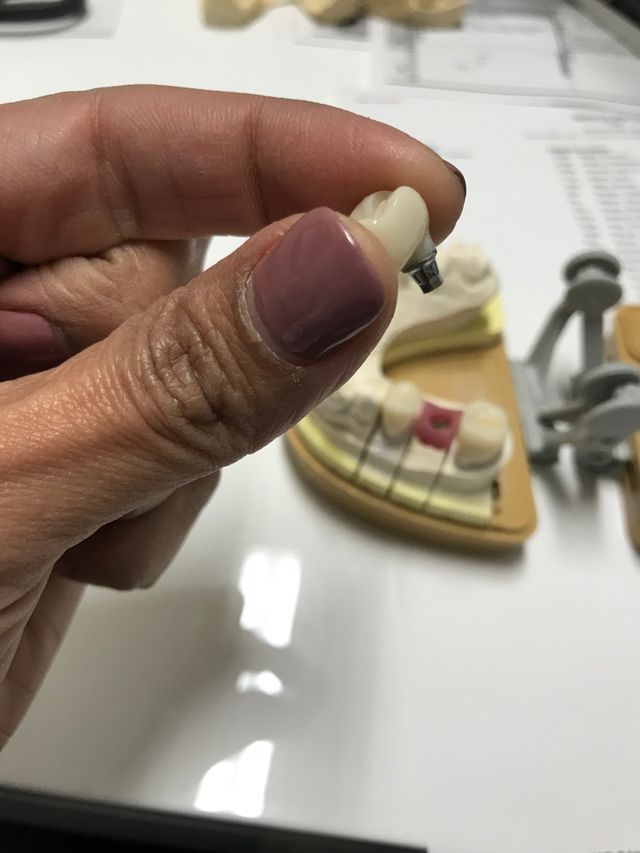
Losing a tooth can feel like more than just a small gap in your smile; it can shake your confidence and make everyday tasks trickier. Whether it’s struggling to chew your favorite foods or worrying about how others see you, missing teeth affects more than just appearance. That’s where dental implants step in: they’re designed to restore not only the look of your teeth but also how well they function, giving you back comfort and confidence to enjoy life fully. This article will walk you through what implants are, how they work, and why they might be the right choice for you.
Dental implants restore confidence by providing natural-looking, permanent teeth that eliminate gaps and the embarrassment of missing teeth, allowing patients to smile and speak freely. Functionally, implants securely anchor replacement teeth, improving chewing ability and speech clarity and preventing jawbone loss to maintain facial structure.
The Science Behind Dental Implants
Dental implants mimic the role of natural tooth roots by anchoring firmly within your jawbone. This is made possible primarily because they are crafted from titanium, a metal known for its exceptional biocompatibility. When implanted, titanium becomes practically one with your bone in a process called osseointegration. This means your body accepts the implant rather than rejecting it, creating a strong and stable foundation that can support a natural-looking crown or denture.
Osseointegration is not instantaneous; it unfolds gradually over several months. During this period, the jawbone cells grow around and attach securely to the rough surface of the titanium screw. This biological bonding is what gives implants their remarkable strength, allowing them to withstand chewing forces up to 700 newtons, similar to natural teeth.
The near-perfect fusion also prevents the implant from loosening over time, giving you confidence in both function and durability.
According to recent data, osseointegration has an impressive success rate of approximately 95% to 98% in healthy patients over a five-year span. Factors such as good oral hygiene, proper bone density (classified as D1 or D2), and absence of smoking or uncontrolled medical conditions all contribute to these high success rates.
Lower bone density types (D3 or D4) slightly reduce success, but with modern techniques and thorough planning, most candidates still achieve excellent outcomes.
The choice of titanium isn’t accidental either; it’s specially treated to enhance bone integration. Titanium alloys commonly used today (like Ti-6Al-4V) have microscopic textures that encourage bone growth directly onto their surfaces, unlike other materials, which simply sit within bone sockets without bonding.
This direct bone contact also helps preserve your facial structure by stimulating the jawbone and preventing the shrinkage that usually follows tooth loss.
Once your implant has fully integrated with your bone, it becomes a permanent base ready for the next step: attaching custom-crafted replacement teeth that restore not just your smile but your overall oral function.
| Aspect | Details |
| Material | Titanium alloy (Ti-6Al-4V), biocompatible with minimal allergic reactions (<1%) |
| Osseointegration success rate | 95–98% in healthy patients over 5 years |
| Healing time | Generally 3 to 6 months depending on bone quality and implant location |
| Load-bearing capacity | Up to 500–700 Newtons, comparable to natural tooth roots |
| Bone stimulation | Prevents bone loss and facial collapse by encouraging natural bone remodeling |
| Risks | Peri-implantitis affects about 10% within 5 years if maintenance is neglected; proper care reduces risks dramatically |
The science behind implants highlights why they are more than just replacements; they are living parts of your mouth that work in harmony with your body’s biology.
Appreciating how dental implants integrate with your jawbone sets the stage for understanding how these restored foundations translate into improved smiles and enhanced function, topics we’ll explore next.
Enhanced Smiles and Functionality
Dental implants do far more than just fill the gaps in your smile; they restore essential functions you might not realize are compromised by missing teeth. When teeth are lost, it affects your ability to chew efficiently and speak clearly, and even impacts your self-confidence. Implants act like natural teeth because they are anchored directly into your jawbone, providing a stable foundation that doesn’t shift or slip like traditional dentures often do.
Imagine trying to bite into a crisp apple with loose dentures; there’s always a risk they’ll move or click uncomfortably in your mouth. In contrast, dental implants are like having roots firmly planted beneath the surface, giving you the power to bite and chew without hesitation, almost as if they were your original teeth.
This secure anchoring means the biting force is restored dramatically. Studies show that patients with dental implants regain up to 70% of their natural bite strength, while those relying on dentures only reach around 20-25%. This difference isn’t trivial; it allows for a wider variety of foods in your diet, including crunchy vegetables and nuts, which are vital for balanced nutrition and overall health.
In fact, according to research published by the American Academy of Implant Dentistry, 90% of implant patients report substantial improvement in both chewing ability and speech clarity after treatment. This statistic reflects the profound quality-of-life benefits implants provide beyond just cosmetic enhancement.
Speaking clearly is another often underestimated advantage. Missing teeth or unstable dentures can cause lisps or whistling sounds when speaking, little quirks that can make people self-conscious during conversations. Since implants do not move around and mimic natural tooth placement closely, they help maintain proper tongue positioning and airflow, leading to clearer articulation.
Beyond function, these improvements naturally boost confidence. Many patients admit they avoid social situations because they worry about slippage or gaps in their smile. Once implants restore stability and appearance, smiles come back with ease, no more hiding or feeling embarrassed when laughing or speaking up.
To maximize these benefits, consider consulting Tarpon Dental in Tarpon Springs, FL. We emphasize a comprehensive approach that includes precise diagnostics and personalized plans, ensuring that each implant matches your unique oral anatomy perfectly. A well-fitted implant not only restores function but also looks so natural it’s virtually indistinguishable from your real teeth.
With confidence and functionality restored so effectively by dental implants, it becomes clear why preparing properly for the procedure is essential. The next focus shifts to what you can expect from the process itself, and how best to get ready for it.
Procedure Overview and Preparation
The journey toward restoring your smile with dental implants starts with what might seem like a routine appointment but is actually the cornerstone of success: the initial consultation. During this visit, your dentist conducts a thorough examination, including X-rays and advanced 3D imaging. These images reveal critical details about your jawbone, its density, shape, and volume, since these factors determine whether you have enough healthy bone to support an implant. Think of this phase as laying the groundwork; without a solid foundation, the rest of the procedure risks complications or failure.
Once the imaging results are available, a personalized treatment plan is carefully crafted. This plan does more than just map out the number of implants needed; it considers your unique anatomy, overall oral health, and even your lifestyle. Tarpon Dental’s team ensures you’re fully informed about every stage ahead, so expectations are realistic and tailored. This preparation may include addressing any existing dental issues, such as gum disease or cavities, before proceeding with implant surgery.
Moving forward to the surgical placement stage, local anesthesia is administered to ensure comfort during the procedure, where each titanium post, the artificial tooth root, is embedded into the jawbone. Mild soreness afterward is common, typically resolving with over-the-counter pain relief. In cases where jawbone density is insufficient, which happens in roughly half of implant candidates, a bone graft becomes necessary. This step adds bone material to strengthen the site and create a stable base for the implant, extending healing time but is essential for long-term success.
Healing doesn’t happen overnight; patience is key during this next step.
After surgery, the jawbone begins a natural process called osseointegration, where it fuses tightly with the titanium implant. This biological bond makes implants durable and strong, essentially creating a new root that feels like part of your body. This phase usually lasts between three and six months, depending on individual healing rates. Once solid integration occurs, a minor follow-up surgery attaches an abutment to the implant, this piece will connect the post securely to your custom-crafted crown. The final crown placement replicates the look and function of a natural tooth closely matched in color and shape, completing both aesthetic and practical restoration.
This staged approach might seem drawn-out compared to quick fixes like dentures or bridges, but its longevity and stability justify the wait. Dental implants from Tarpon Dental are designed not just as temporary patches but as permanent solutions that improve chewing power, speech clarity, and facial structure preservation. Each phase, from diagnosis through crown placement, is handled under expert care with detailed attention to patient comfort and outcomes.
| Step | Description | Importance |
| Initial Consultation | Comprehensive exam with X-rays/3D scans | Assesses bone health & personalizes treatment plan |
| Surgical Placement | Insertion of titanium posts under local anesthesia | Establishes implant foundation |
| Bone Grafting (if needed) | Adding bone material to strengthen the jaw | Ensures implant stability if the jawbone is weak |
| Healing & Osseointegration | Fusion of the implant with the jawbone over 3-6 months | Critical for durability and functionality |
| Abutment & Crown Placement | Attaching the connector, then the final crown | Restores tooth appearance and chewing function |
For anyone considering implants, it’s vital to keep this process in mind: thorough preparation followed by diligent healing phases greatly enhances success rates that commonly exceed 95%. Patients at Tarpon Dental appreciate this careful approach because it means fewer surprises and a genuinely lasting solution.
Knowing these crucial steps prepares you for what lies ahead and helps you make decisions grounded in understanding. Next, we will explore how these long-lasting implants deliver value far beyond their initial cost.
Long-Term Benefits and Cost-Effectiveness
Dental implants may require a larger initial investment compared to dentures or bridges, but they bring lasting value that far outweighs upfront costs. Unlike dentures that can loosen, cause discomfort, or require adhesives, implants anchor directly into the jawbone through a process called osseointegration, effectively becoming part of you. This strong bond means implants generally last for decades, often a lifetime, with proper care.
So while a denture might need replacing multiple times over 20 years, an implant can remain stable and functional the whole time.
This longevity translates not only into convenience and confidence but also into real savings. When you consider how often dentures or bridges must be replaced, along with associated maintenance like relining dentures or repairing bridges, the total expenses accumulate and can surpass implant costs within a couple of decades.
Investing in implants early often means fewer dental visits for repairs or adjustments, less hassle with daily adhesives or special cleaning routines, and more freedom to eat what you love without worry.
More importantly, implants help maintain your jawbone health, preventing shrinkage that often occurs with missing teeth. This preservation keeps your facial structure intact over time, a benefit no bridge or denture truly matches.
Moreover, by maintaining bone density and not relying on neighboring teeth like bridges do, implants protect other healthy teeth from undue stress or damage.
This protective aspect is subtle but vital, it safeguards your overall oral health and reduces future dental work, further enhancing cost-effectiveness.
When budgeting for tooth replacementl, think beyond the sticker price. Consider the broader picture that includes functional benefits, psychological well-being stemming from restored confidence and comfort, and financial wisdom over both short and long terms. The right choice not only restores your smile but also stands the test of time with fewer complications and lower cumulative expense.
Understanding these benefits leads naturally to considering who will perform this important procedure. Expertise in the hands of the right dental professional can elevate your experience and outcomes profoundly. Moving forward, we’ll explore how to find the ideal partner for your dental implant journey.
Choosing the Right Dentist
Selecting the right dental professional for your implant procedure isn’t just about convenience or price, it’s about experience, expertise, and trustworthiness. Dental implants are a precise surgical procedure that requires skill and detailed knowledge. To ensure your treatment is both safe and successful, you want to find someone who not only has the technical skills but also the credentials that back them up. Look for dentists who hold memberships in respected organizations like the American Academy of Implant Dentistry (AAID). This kind of affiliation typically means they keep up with the latest advances and comply with rigorous practice standards.
Experience counts immensely in implant dentistry. Dentists who perform a high volume of implant surgeries each year tend to have lower complication rates and more predictable outcomes. According to recent studies, dentists conducting over 50 implant surgeries annually show about 20% fewer complications than those performing fewer cases. When seeking your provider, ask how many implants they place yearly and inquire specifically about their success rates. These conversations can reveal much more than online reviews alone.
Speaking of online reviews and testimonials, don’t overlook these resources; they provide valuable insight into patient satisfaction and real-world results. However, balance digital feedback with recommendations from family or friends who’ve undergone dental implant treatments themselves. Personal experiences often highlight nuances that ratings cannot capture, such as bedside manner, communication clarity, and long-term support after surgery.
- Board certification or specialist training in implantology or oral surgery indicates advanced proficiency.
- Access to state-of-the-art diagnostic tools like digital imaging and 3D scans facilitates accurate planning.
- Comprehensive care under one roof, combining surgical placement and restorative work, simplifies coordination.
- Transparent communication regarding costs, timelines, and expected outcomes helps build confidence.
- Positive patient testimonials reflecting both functional results and improved self-esteem speak volumes.
With these criteria in mind, it pays to visit potential dentists for initial consultations where you can ask questions directly and get a feel for their approach. A consultative style that involves personalized treatment plans tailored to your unique needs demonstrates commitment beyond routine procedures.
So when you’re ready to restore your smile’s function and appearance, remember that choosing the right dentist is not just about finding anyone who can place an implant. It’s about partnering with an expert who values precision, communication, and long-term care almost as much as you do. That partnership makes all the difference in turning a dental procedure into a life-changing experience.
Understanding how expert care transforms outcomes leads naturally to hearing from those who have lived it firsthand; their stories provide invaluable perspectives on both challenges faced and victories won through dental implant journeys.
Patient Testimonials and Experiences
Hearing directly from those who have undergone dental implant treatment offers not only encouragement but also a realistic view of the journey ahead. Patients often describe an initial period of anxiety or concern about the procedure, which is natural when facing anything surgical involving your mouth. However, what shines through in these stories is the remarkable transformation, not just in appearance but in daily life.
Take, for instance, Abu Mishal, who experienced intense discomfort during the first two days after surgery but found reassurance through attentive care and clear communication from his dental team. His story underscores how managing expectations and pain effectively can ease recovery, making a sensitive phase more bearable. Meanwhile, Umm Mohammed shared how adjusting to softer foods initially was a challenge, yet it steadily became easier as her healing progressed, highlighting the importance of patience and following post-op guidance.
These real-life accounts emphasize a common theme: the procedure is multi-step and requires dedication, not only from the patient but also from the dental professionals guiding them. The initial consultation sets the tone by clarifying candidacy and mapping out potential preparatory procedures, like bone grafts if needed. Knowing what to expect helps reduce anxiety significantly.
Many patients mention a profound boost in self-esteem once healing nears completion. The ability to chew naturally again, smile confidently, and engage socially without embarrassment ties deeply into their emotional well-being. This psychological uplift often matches or exceeds the physical benefits of restored oral function. The key lies in open communication throughout the process to address concerns and celebrate progress.
It’s also important to note that sensory differences, like reduced nerve feeling initially, are common with implants but tend to fade as you adapt. This subtle change can catch patients off guard, so understanding it beforehand avoids surprises. Regular follow-ups confirm that healing is on track and allow for any adjustments.
What’s clear across many experiences is the value of personalized care tailored to individual needs: bone health, gum condition, and lifestyle factors like smoking or chronic illnesses all influence outcomes. Being honest about such aspects during your consultation ensures your dentist creates an effective plan matched closely to you.
Here are some insider tips based on patient experiences:
- Prioritize thorough research on your provider’s credentials and approach; trust fosters peace of mind.
- Follow dietary recommendations strictly during early recovery to protect the implant site.
- Don’t hesitate to report any unusual symptoms promptly; early intervention prevents complications.
- Embrace a gradual return to normal chewing habits; overloading too soon can hinder success.
- Maintain meticulous oral hygiene around implants as you would with natural teeth.
Ultimately, this procedure isn’t a quick fix; it’s a commitment that rewards those who engage actively with their care plan. The consensus from patients is clear: despite challenges, the end result justifies every step taken.
Choosing the right dentist is a critical part of achieving long-lasting, successful dental implant results. At Tarpon Dental, our experienced team provides implant and cosmetic dentistry services for patients in Tarpon Springs, Palm Harbor, Trinity, Holiday, and Oldsmar, Florida. We take a comprehensive approach that considers bone health, gum condition, and overall oral wellness, ensuring every implant is placed with precision and long-term stability in mind. Whether you need a single implant, full-arch restoration, or evaluation for periodontal services, our goal is to restore both function and confidence with care you can trust.
If you’re searching for a dentist in Tarpon Springs who specializes in dental implants and cosmetic dentistry, now is the time to take the next step. Schedule a consultation with Tarpon Dental to find out if dental implants are right for you and receive a personalized treatment plan designed around your smile goals. Contact us today at (727) 937-4285 to book your appointment and start your journey toward a healthier, stronger, and more confident smile.