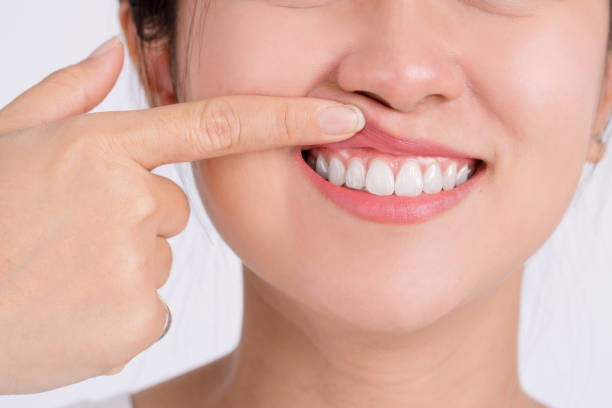
Are you aware that the way your teeth are aligned might be affecting more than just your smile? It’s true! Many people don’t realize that having straight teeth can have a huge impact on gum health. When your teeth are tidily lined up, it actually makes it a lot easier to brush and floss effectively—preventing plaque buildup and reducing the risk of gum disease. In this article, we’re going to dive into the crucial connection between properly aligned teeth and strong, healthy gums, explore how misalignment can lead to various dental issues, and discuss your options for achieving that perfect smile while keeping your gums in tip-top shape.
Aligned teeth promote better gum health by reducing the risk of plaque buildup in hard-to-reach areas, making oral hygiene practices like brushing and flossing more effective. Additionally, proper alignment decreases uneven pressure during chewing, which can prevent gum recession and lower the likelihood of developing periodontal issues.
The Connection Between Aligned Teeth and Gum Health
Misaligned teeth create a domino effect on your oral health that extends far beyond aesthetics. When your teeth are crooked or crowded, they make it harder for you to clean them effectively. This difficulty leads to an increased accumulation of plaque, particularly in those tight spaces where toothbrush bristles can’t reach.
As time goes by, this buildup of plaque can harden into tartar, which requires professional cleaning to remove. If left unattended, it can transform into gum disease—a condition that affects not just your gums but also the overall integrity of your teeth.
Research shows that individuals with straight teeth have a 50% lower risk of developing periodontal disease compared to those with misaligned teeth. The straightforward reason is that straight teeth allow for easier brushing and flossing, reducing the likelihood of bacteria flourishing in your mouth.
One crucial aspect to consider is how the pressure from chewing is distributed across your teeth and gums. Crooked teeth can lead to uneven pressure points, which have the potential to compromise gum health. Over time, this imbalance can cause some areas of the gum to recede, making them more vulnerable to infection and inflammation.
In fact, studies have indicated that misalignment increases the risk of gingivitis—a common gum disease—by 30%.
“Healthy gums require a snug fit around each tooth; proper alignment plays an essential role in achieving that.”
Addressing these issues through orthodontic treatment not only focuses on improving the appearance of your smile but also significantly aids in promoting healthy gums as well. Patients often find that after correcting their alignment problems, they experience less inflammation and bleeding in the gums during regular dental checkups. This improvement contributes to a reduction in long-term complications like tooth loss and bone deterioration.
But then you might wonder: “What are my options when it comes to aligning my teeth?” As we explore further, we’ll unravel the implications of how misaligned teeth directly affect gum tissue health.
Impact of Crooked Teeth on Gum Tissue
Crooked teeth often create hard-to-reach areas in the mouth, leading to plaque buildup that can inflame gum tissues. Properly aligned teeth are not just aesthetically pleasing; they play a significant role in your overall gum health. When teeth overlap or are misaligned, small food particles can become trapped between them, creating a breeding ground for bacteria. This situation is particularly dangerous because these bacteria can trigger inflammation in the gums, initiating a chain reaction of dental issues.
Regular cleaning is critical because plaque can easily accumulate in these tight spaces; if left untreated, it can solidify into tartar, which requires professional removal.
The Connection Between Inflammation and Gum Disease
Once the gums become inflamed due to plaque accumulation, conditions such as gingivitis arise. At this early stage of gum disease, symptoms may be subtle: slight swelling or redness might be overlooked in routine oral hygiene practices. If gingivitis goes unchecked, it can evolve into periodontitis—a more serious condition marked by gum recession and even tooth loss. Periodontitis impacts not only your smile but also compromises your bite, making it increasingly difficult to maintain good oral hygiene.
Here’s an alarming statistic: individuals with crooked teeth are 50% more likely to develop gum disease compared to those with properly aligned teeth. The reason lies in the mechanics of cleaning; crooked teeth prevent effective brushing and flossing, leaving pockets where bacteria can thrive unchecked. Over time, this persistent bacterial presence triggers chronic inflammation that deteriorates both gum and bone health.
Consequences Beyond Oral Health
But the effects of untreated gum disease don’t stop at your mouth; they ripple outwards, affecting systemic health too. Research indicates that the bacteria responsible for advanced gum disease can enter the bloodstream, potentially leading to severe health issues such as cardiovascular diseases and diabetes complications. Patients suffering from incorrect alignment may find themselves facing not just dental challenges but serious health complications as well.
As daunting as this may sound, there is hope through proactive measures and treatments available.
The Benefits of Treatment
By addressing misalignment through orthodontic treatment options—like traditional braces or clear aligners—you can dramatically enhance both your dental hygiene and overall well-being. Straightening your teeth allows for better access during cleaning efforts, reducing plaque accumulation and promoting healthier gum tissues. When pressure is evenly distributed across all teeth during chewing, it helps prevent undue stress on your gums.
Investing in orthodontics could be one of the best decisions you make for your smile and overall health. Well-aligned teeth enhance your appearance while also fortifying your gum health.
Recognizing these connections prompts us to consider the hurdles faced during oral hygiene routines when alignment isn’t optimal, which is a crucial aspect to address for maintaining wellness.
Challenges in Oral Hygiene with Misalignment
Managing oral hygiene becomes a real challenge when you have misaligned teeth. The awkward angles and tight spaces created by crooked or crowded teeth often make it difficult to reach all the necessary areas. Imagine trying to clean a beautifully decorated cake, but every time you go for a corner slice, your tools are just too big or unwieldy. That’s pretty much what it’s like for many people trying to keep their mouths clean with misaligned teeth.
Flossing, for instance, can turn into a wrestling match. Those overcrowded gaps between teeth often feel like they could use a superhero to swoop in and save the day. Instead, many patients struggle to get the floss to slide between those tightly packed surfaces, leaving plaque and food particles behind. When those clingy leftovers collect, bacteria thrive, which leads to plaque buildup, and we know that plaque eventually hardens into tartar if not properly addressed.
According to the American Dental Association, individuals with misaligned teeth are 43% more likely to face gum problems resulting from inadequate cleaning. This statistic underscores the need for special cleaning solutions. That’s why many dentists recommend interdental brushes or soft picks for those who find traditional flossing techniques exhausting or ineffective.
“Inadequate cleaning allows harmful bacteria to linger in places where toothbrush bristles simply can’t reach.”
Furthermore, patients often overlook the importance of using proper tools to maintain their oral hygiene effectively. These specially designed cleaners can navigate around crooked teeth with ease, ensuring thorough cleaning and promoting healthier gums. It’s similar to having hiking boots when traversing rough terrain; without them, you risk stumbling at every turn!
Adopting the right tools and strategies is vital for maintaining healthy gums while addressing the challenges posed by misalignment. Now let’s explore how aligning your teeth can enhance your overall gum health and well-being.
Advantages of Proper Tooth Alignment
The benefits of properly aligned teeth extend far beyond merely achieving a bright smile. When your teeth line up correctly, they maintain a harmonious relationship that positively influences your oral health. A prime advantage lies in improved oral hygiene. Straight teeth are significantly easier to brush and floss effectively, which plays a crucial role in reducing the risk of cavities and gum disease. When teeth are aligned neatly in rows, traditional toothbrushes and floss navigate the surfaces without obstruction, removing food particles and plaque with greater ease.
Improved Oral Hygiene
Keeping this in mind, regular dental hygiene routines become much more effective with straightened teeth. For instance, flossing becomes less of a chore—you know the drill: running the ribbon of floss between unevenly spaced teeth doesn’t always yield a rewarding clean, but with alignment, you can glide through effortlessly. This ability to reach all surfaces decreases your risk of cavities and ultimately leads to healthier gums.
Equitable Pressure Distribution
Another critical benefit is equitable pressure distribution. Imagine biting down on something crunchy; when your teeth are misaligned, uneven forces can cause unnecessary wear. Proper alignment ensures that the force exerted while chewing is evenly distributed across all your teeth. This balance not only reduces wear and tear on individual teeth but also minimizes stress on your gums. Consider how tiring it could be to run unevenly; it takes a toll over time! Now apply that analogy to your mouth. When chewing forces are correctly balanced, your teeth and gums fare much better in terms of longevity and overall health.
So, how can one achieve such alignment? There are various approaches designed to create that perfect fit for both aesthetic appeal and improved health outcomes.
Methods to Achieve Straight Teeth
The journey to straighter teeth can be both exciting and transformative, as it brings not only aesthetic benefits but also significant health improvements. One method that has stood the test of time is braces.
Braces
Traditional metal braces are well-known for their effectiveness in treating severe misalignments. These resilient fixtures consist of brackets and wires that work together to gradually reposition teeth into their desired locations. While they might seem intimidating at first, especially with their metallic appearance, they offer remarkable precision in making substantial adjustments over time. Many individuals might overlook them due to fears of discomfort or appearance; however, it’s important to remember the long-term benefits they provide for both your smile and gum health.
If you’re looking for a more discreet option, that’s where clear aligners come into play.
Clear Aligners
A popular choice among adults today, clear aligners such as InvisalignTM® hold an advantage in their nearly invisible design. This allows individuals to pursue orthodontic treatment without drawing too much attention to their mouths. Clear aligners not only address mild to moderate misalignment effectively, but they can also be easily removed during meals or while brushing your teeth. This convenience supports better oral hygiene—an essential factor in maintaining healthy gums throughout treatment, making them an enticing option for those who lead busy lifestyles.
Moving from adults to children’s dental health, early orthodontic intervention plays a critical role in preventing future complications.
Early Orthodontic Intervention
For younger patients, addressing alignment issues early on can be invaluable. Treatments like palatal expanders can guide the growth of both teeth and jaws, ensuring they align properly as permanent teeth emerge. This proactive approach helps mitigate more serious problems later in life, such as overcrowding or misaligned bites. It also fosters a sense of confidence in children as their smiles transform over time.
As you weigh your options when choosing an orthodontic method, consider these factors:
- The severity of misalignment
- Treatment duration (some methods take longer than others)
- Overall cost (do look into insurance plans that cover orthodontics)
- Personal aesthetic preferences (what makes you feel most comfortable?)
Beyond these cosmetic enhancements provided by both braces and clear aligners lies the profound impact on oral health that encourages patients to seek out orthodontic care in the first place. Understanding how straightening teeth influences overall wellness can illuminate your path forward.
Overall Benefits for Oral Health
When you think about straightening your teeth, it’s easy to focus solely on the cosmetic advantages—a dazzling smile that exudes confidence. However, the true value lies in its broader implications for your oral health. Properly aligned teeth do more than just look good; they set the stage for healthier gums, a comfortable bite, and an overall reduction in dental issues down the line.
For starters, let’s consider plaque management. Misaligned teeth often create tight spaces that make cleaning difficult. Bacteria thrive in these hard-to-reach areas, leading to increased plaque accumulation. In fact, studies show that individuals with straightened teeth exhibit a 30% decrease in plaque buildup compared to those with crooked teeth. By prioritizing proper alignment, you’re not only enhancing the aesthetic appeal of your smile but also making it easier to maintain a healthy mouth.
Moreover, achieving a well-aligned bite can prevent abnormal wear on your enamel. Misalignment leads to uneven pressure during chewing, which can increase the likelihood of developing issues such as TMJ (temporomandibular joint disorder). This painful condition often manifests as headaches or jaw pain—discomfort that can interfere with daily life. A correct bite diminishes these risks significantly and promotes a harmonious balance across your jaw.
Beyond comfort, we can’t overlook the link between tooth alignment and gum disease. Properly aligned teeth contribute substantially to gum health. Research indicates that individuals undergoing orthodontic treatment experience a 25% reduction in their risk of oral infections post-treatment. Straightening your teeth effectively stabilizes the gum tissue around each tooth, preventing pockets where bacteria can fester.
Long-Term Health Impact
The long-term health benefits of maintaining straighter teeth extend beyond just aesthetics and comfort; they positively impact systemic health as well. Untreated gum disease can cause complications such as receding gums, bone loss in the jaw, and increased risks for systemic health issues—including heart disease and diabetes. Therefore, investing time and resources in orthodontic treatment is not simply a cosmetic choice—it’s a proactive measure toward safeguarding both your mouth and your general well-being.
At Tarpon Dental, we understand the myriad benefits associated with proper tooth alignment. Our gum therapy services focus on evaluating individual needs while providing tailored orthodontic solutions to ensure that you reap all possible advantages from aligned teeth. By choosing to prioritize both appearance and health, you’re making an investment not only in a radiant smile but also in a happier, healthier future.
Embracing orthodontic treatment leads to significant improvements that ripple through every aspect of oral care, making healthier gums easier to attain while boosting overall dental well-being. If you’re ready to invest in your smile and improve your gum health, contact us at Tarpon Dental or call us at (727) 937-4285 today!