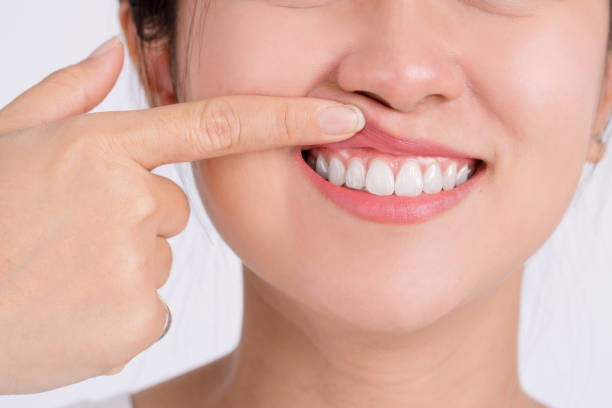
Gum health is something many people don’t think about until there’s a problem, but keeping your gums in good shape is just as important as taking care of your teeth. Healthy gums act like a protective barrier around your teeth, helping to keep them strong and in place. If you overlook gum care, it can lead to serious issues like periodontal disease, which affects nearly half of adults over 30. Understanding how to spot early signs and what habits support gum health can save you from pain and expensive dental treatments down the road. Let’s explore how small daily steps make a big difference in preventing gum problems before they start.
To prevent periodontal disease early, maintain a consistent oral hygiene routine that includes brushing twice daily with fluoride toothpaste and flossing once daily to remove plaque from areas your toothbrush can’t reach. Additionally, regular dental checkups every six months, a balanced diet rich in vitamins C and D, quitting smoking, and using antibacterial mouthwash can significantly support healthy gums and stop gum disease before it progresses.
Gum Health and Periodontal Disease Overview
Gum health refers to the condition of the soft tissues surrounding your teeth—the gums—which serve as the foundation for tooth support and protect the sensitive bone underneath. When gums are healthy, they appear firm and pink, hugging each tooth snugly without bleeding during brushing or flossing. This seemingly simple state is actually a cornerstone of long-term dental wellness because healthy gums keep teeth anchored effectively and shield against harmful bacteria.
However, when gum health is neglected, problems can arise quickly. The earliest sign of trouble is often gingivitis, marked by redness, swelling, and easy bleeding. At this stage, inflammation is limited to the gums and can typically be reversed with proper care. But if left untreated, the condition evolves into periodontitis—a more serious disease that affects not only the gums but also the bone supporting your teeth. In periodontitis, pockets develop between gums and teeth, trapping plaque and debris, which further fuels infection. Over time, this can lead to loosening or even loss of teeth.
To put this into perspective, the CDC reports that nearly half of adults over 30 in the United States experience some form of periodontal disease. This prevalence underscores how common gum issues are—and how critical it is to identify early warning signs.
Recognizing these stages early empowers you to take control before irreversible damage sets in, emphasizing why daily preventive habits and timely professional care are paramount for lasting gum health.
As we consider the importance of maintaining such vigilance, it becomes clear that understanding subtle changes in your gums is vital. This awareness sets the stage for identifying early indicators that signal when intervention is necessary.
Early Warning Signs of Gum Issues
When it comes to gum health, subtle changes often signal that something’s off well before pain or tooth loss appears. Paying attention to these small but consistent symptoms gives you a chance to take action before periodontal disease takes hold.
For example, if your gums look redder than usual or feel puffier at the edges, this inflammation is a clear warning light that your body is fighting irritation or infection. These aren’t just cosmetic issues—the gums are soft tissue meant to protect and anchor your teeth. When they become swollen, their ability to do this weakens, setting the stage for deeper problems.
Here are some common symptoms you should keep an eye on:
- Red or swollen gums—Healthy gums should be firm and pale pink, so any puffiness or redness means inflammation is present.
- Bleeding during brushing or flossing—While occasional tiny bleeds might happen if you’ve been aggressive with cleaning, bleeding that happens regularly points to gum irritation from plaque buildup.
- Persistent bad breath—This isn’t just about food stuck in your teeth; chronic bad breath can be a sign of bacteria thriving below the gum line, causing infection.
- Loose or shifting teeth—If your teeth start to feel less stable or look unevenly spaced, this signals damage to the bone and tissues that support them.
- Visible pus between gums and teeth — Pus means infection has advanced beyond early stages; this needs immediate attention from a dental professional.
Some dismiss these early symptoms as nothing more than brushing too hard or sensitivity quirks, but regular bleeding or swelling rarely stems from brushing alone. Such occurrences generally point toward gingivitis—the earliest phase of gum disease that, if caught early with better hygiene practices and timely professional care, can be reversed.
Recognizing these warning signs means checking your mouth regularly—not just for loose fillings or cavities, but also for how your gums feel and look throughout the day. Use your toothbrush or floss as an opportunity to notice any discomfort or bleeding rather than ignoring it as normal. The sooner you respond, the better your chances of avoiding painful procedures later on.
“Healthy gums don’t bleed—if yours do often, it’s time to listen and act.”
Spotting these early symptoms puts you one step ahead in protecting your oral health. Building on this awareness, there are proven habits and care routines that strengthen gums and prevent disease progression.
Effective Gum Health Practices
The foundation of gum health starts with simple yet consistent daily care. Brushing your teeth twice a day using a soft-bristled toothbrush and fluoride toothpaste isn’t just routine—it’s the frontline defense against plaque buildup and gum disease. Using gentle strokes along the gumline helps avoid irritating sensitive tissue while ensuring that bacteria hiding at the edge of your gums don’t set up camp.
But brushing alone can’t reach the tight spaces between teeth where plaque tends to accumulate unnoticed. That’s why flossing daily is non-negotiable. It removes trapped food particles and plaque from beneath the gumline, preventing inflammation before it becomes a problem. Think of flossing as the essential backstage cleaning that keeps the whole show running smoothly.
Beyond brushing and flossing, several additional practices fortify gum health:
- Rinsing with an antibacterial mouthwash curbs harmful bacteria that brushing can miss, lowering infection risk.
- Steering clear of tobacco products drastically reduces your odds of developing periodontal disease since smoking weakens your body’s ability to fight infections and slows healing.
- Cutting back on sugary snacks and drinks deprives oral bacteria of their favorite fuel, minimizing acid attacks that erode gums and teeth.
- Staying hydrated by drinking plenty of water washes away food debris and sustains saliva flow—saliva being nature’s own cleanser and protective agent within the mouth.
Research from the American Dental Association suggests electric toothbrushes often outperform manual ones in plaque removal, thanks to their consistent power and movement patterns—valuable tools especially for those who struggle with proper technique or dexterity.
But no matter which brush you choose, what matters more is how you use it: slow, deliberate strokes rather than vigorous scrubbing make all the difference in protecting delicate gum tissue while clearing away buildup effectively.
In addition to these personal habits, regular visits to your dentist or periodontist remain critical. Advanced diagnostics available today, like 3D imaging combined with AI analysis, help detect early bone loss or inflammation far before symptoms appear—empowering patients to take corrective action early when treatment is most effective and least invasive.
With this groundwork in place for maintaining healthy gums, mastering effective techniques for daily care naturally follows as the next vital step in protecting your smile over the long term.
Techniques for Proper Brushing and Flossing
Brushing your teeth might seem routine, but how you brush makes a world of difference. Holding the toothbrush at a 45-degree angle to your gums is more than just a tip—it’s about targeting the plaque that builds up right at the gumline, where gum disease often starts.
Imagine the bristles reaching gently under the edge of the gums, loosening bacteria before it can cause harm. Moving your brush in soft, circular motions rather than harsh back-and-forth scrubbing helps protect delicate gum tissue from irritation and recession, which can open the door to infections.
The two-minute mark isn’t arbitrary either; spending enough time allows you to cover all surfaces evenly, from the front teeth to those hard-to-reach molars in the back.
It’s important not to mistake intensity for effectiveness. Brushing too hard can wear down enamel and inflame your gums, leading to sensitivity or bleeding.
Think of it like polishing a fine piece of antique furniture—you want care and precision, not abrasion. Using a toothbrush with soft bristles enhances this gentle approach, combining effective cleaning without punishment.
Step-by-Step Flossing Guide
Flossing complements brushing by tackling spots your brush can’t reach—those tiny gaps between each tooth and just beneath the gumline where food and plaque love to hide.
Start by pulling out about 18 inches of floss, giving yourself plenty to work with so you can continuously use clean sections as you move along. Wrapping most of it around your middle fingers provides grip and control; then, holding it tightly between thumbs and forefingers lets you maneuver with finesse.
Gently sliding the floss up and down between teeth requires patience and care to avoid snapping it harshly against gums. Curving the floss into a “C” shape around each tooth’s base ensures you’re not just skimming surfaces but actually cleaning beneath the gumline—a key area for preventing periodontal disease. This thoroughness is what breaks up bacterial colonies before they wreak havoc.
As you progress tooth by tooth, do not reuse the same section of floss—this avoids transferring bacteria from one spot to another. Instead, rotate through fresh segments until you’ve covered every gap.
Consistently applying these precise brushing and flossing techniques establishes a strong barrier against early gum disease, fostering resilient gums free from inflammation that could lead to more serious oral health issues.
Shifting focus now, we explore how what you eat and your lifestyle choices play a crucial role in maintaining that oral health foundation.
Role of Nutrition and Lifestyle
Your gums are living tissue that constantly respond to what you feed your body. Nutrients such as vitamin C, calcium, and omega-3 fatty acids aren’t just buzzwords; they are essential building blocks for healthy gums and teeth.
Vitamin C, found in bright fruits like oranges and strawberries, supports collagen production and helps repair the tiny injuries in gum tissues that occur every day. Calcium strengthens not only your teeth but also the bone structures supporting them, making dairy products and leafy greens invaluable.
Omega-3 fatty acids, abundant in fish and flaxseeds, have remarkable anti-inflammatory effects that soothe irritated gums and promote healing after injury or infection.
On the flip side, regularly consuming sugary or acidic foods encourages bacterial growth that forms plaque—the sticky film responsible for gum inflammation and ultimately periodontal disease.
Think of it like this: the bacteria feast on sugar leftovers in your mouth, producing toxins that inflame gum tissue. Over time, this chronic irritation can lead to bleeding gums, recession, and even tooth loss if left unchecked.
While diet plays a pivotal role, your lifestyle habits reinforce these effects—and none loom larger than smoking.
Continuing to smoke exposes your gums to harmful chemicals, which reduce blood flow and impair immune response—key factors that delay healing and allow infections to take hold. Quitting smoking stands as one of the most impactful actions you can take for healthier gums.
It not only reduces periodontal disease risk dramatically but also enhances the benefits of good oral hygiene and balanced nutrition.
In fact, combining nutritional support with smoking cessation creates a powerful synergy.
As your body repairs itself from years of exposure to irritants, a nutrient-rich diet provides the necessary tools to rebuild strong tissue faster. This holistic approach embraces both internal wellness through food choices and external care by eliminating damaging habits.
Incorporating these insights into daily routines means planning meals rich in fresh vegetables, lean proteins—especially oily fish—and whole grains while cutting back on processed snacks loaded with refined sugars.
Regular dental checkups can complement these efforts by monitoring gum condition and offering personalized guidance.
Recognizing how critical nutrition and lifestyle decisions are marks an important step in managing your oral health effectively. Next, we explore when professional expertise becomes essential to safeguard your gums against advancing disease.
Professional Help and When to Seek It
Regular dental visits are more than just routine—they’re essential checkpoints for your oral health, especially when it comes to gum care. Most dentists suggest scheduling check-ups every six months, but if you have risk factors like diabetes, smoking habits, or a family history of periodontal disease, your dental provider might advise even more frequent appointments.
These visits aren’t just about cleaning; they include advanced screenings using cutting-edge tools like salivary diagnostics and bacterial DNA tests that can identify early microbial signs of periodontitis before noticeable symptoms emerge.
Knowing when to act promptly is crucial. If you experience persistent bleeding when brushing or flossing, unexpected swelling, or sharp pain around your gums, these are clear signals that something needs immediate attention. It’s not uncommon for these early warning signs to be dismissed as minor irritations, yet overlooking them could allow bacteria to invade deeper gum pockets, leading to irreversible damage.
As Dr. Jane Roberts emphasizes,
“Prompt professional intervention can halt and often reverse early-stage gum disease,” illustrating that timely care can save teeth as well as your comfort.
When you do arrive at your dental appointment with concerns, the examination usually goes beyond visual checks.
Dentists today employ precise diagnostics, including digital X-rays with minimal radiation, to examine bone density and detect hidden infection beneath the gum line. This allows for tailored treatment planning—whether it’s recommending non-surgical options like scaling and root planing combined with topical antibiotics or laser therapies designed to reduce inflammation and target bacteria more effectively than ever before. These personalized treatments significantly improve outcomes compared to generic approaches.
Beyond in-office care, your dentist will likely recommend specific home-care practices solidly based on your individual risk profile. This might mean incorporating interdental brushes, using specialized prescription mouth rinses, or even adjusting lifestyle factors with professional coaching. Remember that good oral hygiene is a partnership; your daily habits coupled with professional support create the strongest defense against periodontal disease.
Key indicators signaling the need for professional evaluation include:
| Symptoms | Why It Matters |
| Gum bleeding despite improved brushing | Suggests ongoing inflammation or infection |
| Persistent bad breath unrelieved by hygiene | Could indicate bacterial overgrowth in gum pockets |
| Noticeable gum recession or pocket formation | Early structural damage risking tooth stability |
| Increased tooth mobility or bite changes | Signs of advanced tissue loss and shifting teeth |
| Pain or sensitivity localized around gums | May reflect active infection needing treatment |
Taking action early is the best way to protect your gums and avoid advanced periodontal disease. If you’re noticing bleeding, swelling, or signs of gum recession, our team at Tarpon Dental is here to help. We offer comprehensive periodontal services in Tarpon Springs, including deep cleanings, gum therapy, and preventive care. Whether you need a trusted dentist in Tarpon Springs, a skilled periodontist, or guidance on treatments like teeth whitening or teeth straightening, our specialists provide personalized care for your smile.
Schedule your appointment today—call (727) 937-4285 or contact us now! Your healthiest gums start here.