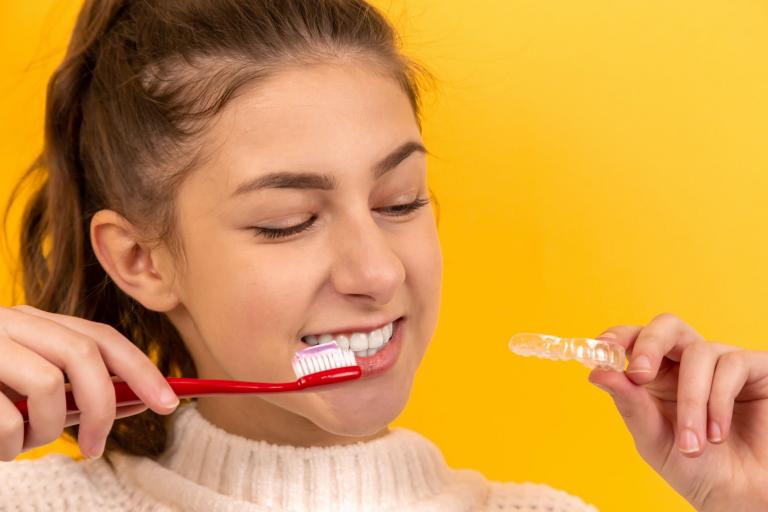
When it comes to orthodontic treatment for teens, the conversation often shifts toward traditional braces. However, many young people today are discovering a more contemporary solution: Invisalign. This clear aligner system has quickly gained popularity among teenagers and parents alike for its blend of style and function. As a parent, it can be challenging to navigate the choices available and understand what fits your teen’s needs. The good news? With information and guidance, you can feel confident about making the right choice for your child’s smile. In this essential guide, we’ll explore the benefits of choosing Invisalign for your teenager—highlighting not only how it works but also why so many teens prefer it over metal braces.
Parents should be aware that Invisalign for Teens offers a discreet and removable alternative to traditional braces, allowing for easier maintenance of oral hygiene. It requires a commitment from the teen to wear the aligners for 20-22 hours daily, and regular consultations with an orthodontist will help track progress and ensure proper use of the aligners.
Reasons Teens Prefer Invisalign
One of the standout features that attracts teens to Invisalign is its higher aesthetic appeal. In a world where appearance can significantly impact self-esteem, the clear aligners offer a level of discretion that traditional metal braces simply cannot match. An overwhelming 92% of teens reported feeling more confident about their smiles with Invisalign compared to conventional braces. With these aligners being virtually invisible, teenagers can straighten their teeth without the fear and embarrassment associated with braces. They can laugh, smile, and take pictures without worrying about how their teeth look in social settings.
This leads us to another crucial reason for their preference: convenience and hygiene. Picture this: a busy teenager named Sarah who excels at school while juggling extracurricular activities such as sports and music. After switching from traditional braces to Invisalign, she enjoys meals without the hassle of metal brackets getting in the way. Aligners can be removed easily during meals, allowing teens to savor their favorite foods without restrictions. This flexibility not only makes eating more enjoyable but also promotes better oral hygiene—aligners can be taken out for brushing and flossing, reducing the risk of plaque buildup and dental issues compared to metal braces.
Balancing academics, social life, and sports is no easy feat for many teens today.
Relatedly, fewer office visits play a significant role in making Invisalign a popular choice among teenagers. Traditional braces typically require adjustments every 2-4 weeks, interrupting school schedules and extracurricular activities. Conversely, with Invisalign, appointments are generally scheduled approximately every 4-6 weeks. This allows teens greater flexibility to manage their time effectively around homework, sports practices, and social events without frequent trips to the orthodontist.
It’s easy to see why so many teens prefer Invisalign over traditional braces. As they navigate the challenges of adolescence—marked by social pressures and busy lives—the benefits of discreet, convenient treatment options resonate strongly. The combination of higher aesthetic appeal, improved convenience for oral hygiene, and fewer required office visits makes Invisalign an enticing option for those looking to perfect their smiles while maintaining their active lifestyles.
As we explore further, it’s essential to understand the specifics behind how this treatment works and what parents can expect throughout the journey ahead.
Process and Duration of Treatment
The journey begins with the initial consultation at Tarpon Dental, a crucial first step in kickstarting your teen’s orthodontic adventure. During this visit, a thorough assessment is made, including the use of advanced 3D imaging technology that captures a detailed map of your teen’s teeth and jaw structure. This high-tech approach not only helps in visualizing the current alignment but also lays the groundwork for the entire treatment plan.
Custom Treatment Plan
After gathering all necessary data from the initial scans, your orthodontist will create a custom treatment plan tailored specifically to your teen’s dental needs. This meticulous planning allows for a series of customized aligners to be crafted, each designed to make subtle adjustments to tooth positioning. As your teen progresses through these aligners, they will gradually shift their teeth into their optimal positions, showcasing how personalized care makes the treatment even more effective.
Duration
In terms of treatment duration, Invisalign typically lasts between 6 and 18 months, depending notably on the complexity of the misalignment. On average, most teens can expect their treatment duration to be around 12 months. This time frame is relatively swift compared to traditional braces, as many treatments last significantly longer, often spilling into 2 or 3 years. The shorter timeline provides reassurance to both parents and teens looking forward to that new smile.
Another advantage of this innovative system is that most adolescents require only mild adjustments every 1 to 2 weeks. This means fewer visits to the orthodontist and less disruption to their school schedule. It’s worth noting that during treatment, consistent wear of the aligners—about 20-22 hours per day—is crucial for ensuring effective results within the projected timeline.
As we explore further into this topic, understanding financial implications becomes essential for making informed decisions regarding your teen’s orthodontic journey.
Cost Considerations for Parents
The cost of Invisalign can be a significant consideration for many parents, leading to understandable concerns. On average, expenses for this treatment can range from $3,000 to $7,000. While these figures may seem overwhelming at first, it’s important to keep in mind that many dental insurance plans are designed to ease the financial load by covering a substantial portion of these costs. Just like purchasing a car, where the price tag reflects features and quality, the investment in Invisalign varies based on factors such as treatment complexity and duration.
Financial Breakdown
Breaking it down even further, various degrees of case complexity dictate how much you might pay. For simpler cases—like minor spacing or crowding—you can expect to spend between $3,000 and $4,500. Moderate cases, which could involve noticeable crowding or bite issues, typically cost around $4,500 – $6,000. For more complex situations necessitating significant corrections—such as severe overbites or extensive crowding—you’ll generally start at $6,000 or higher. Considering these variables helps parents assess what their particular situation might incur, much like understanding financial options when buying a house.
Understanding the costs allows families to better strategize their financial planning options.
Payment Plans
At Tarpon Dental, we understand that every family’s budget is different. That’s why we offer flexible payment plans designed to accommodate your specific needs. Whether you prefer structured monthly installments or an upfront payment plan, we’ll help you navigate your options with ease. Our goal extends beyond just providing treatment; we’re committed to ensuring that financing is as straightforward as possible.
In addition to these payment plans, many families have found combining financial strategies beneficial. Utilizing Flexible Spending Accounts (FSA) or Health Savings Accounts (HSA) can enable you to apply pre-tax dollars toward orthodontic expenses, effectively reducing your out-of-pocket costs significantly.
Long-term Investment
It’s crucial to recognize that investing in Invisalign is more than just about aesthetics; it’s a long-term investment in your child’s oral health. Properly aligned teeth not only enhance smiles but also play a vital role in reducing the potential risk of cavities and gum disease over time. A well-aligned bite can lead to fewer dental interventions needed later in life, ultimately saving money in future dental care costs—a valuable consideration for any parent.
Given these financial implications, it’s beneficial for parents to explore all avenues available.
Insurance and Discounts
Engaging with your insurance provider directly can uncover benefits that you hadn’t anticipated. For instance, a conversation may reveal hidden coverage options that can significantly reduce your total expenses. As families navigate through the options and factors related to treatment investments, understanding alternatives can broaden perspectives on achieving optimal outcomes for their teens’ orthodontic needs.
Comparing Alternatives to Invisalign
When considering orthodontic treatments for your teen, it’s vital to look at more than just aesthetics. Traditional braces, for instance, provide a reliable and economical solution, especially for complex alignment problems. These metal braces may not win any fashion awards, but they are effective, capable of addressing a wider range of dental issues compared to aligners like Invisalign. While they can be bulky and obvious with those shiny brackets and wires, many teens quickly adjust and personalize them with colorful bands.
If visibility is a concern, ceramic braces present an appealing middle ground. They offer a more discreet look since they blend in better with the natural tooth color. However, it’s important to note that they come with some trade-offs. Ceramic materials are fragile, making them susceptible to chipping or breaking under pressure. Plus, while less conspicuous than traditional metal braces, they’re still visible up close.
But what if your teen values discretion above all?
Lingual Braces
Enter lingual braces, which are affixed to the back of the teeth, rendering them virtually invisible from the front! For parents seeking an orthodontic solution that aligns with their teen’s desire for a low-profile option, lingual braces can seem like a dream come true. However, this option has its drawbacks too; many find these braces uncomfortable during the initial adjustment phase and challenging to clean effectively due to their position.
Factors in Choosing the Right Option
Several pivotal elements should guide your journey of selecting the best orthodontic treatment for your teen. The complexity of dental issues is foundational. For example, if your teen has severe overcrowding, deep overbites, or other significant misalignment problems, traditional braces may still be necessary. However, for mild to moderate misalignments—such as slight gaps or minor alignment issues—Invisalign can often work wonders.
Having a professional evaluation from an orthodontist is crucial to accurately assess the situation and recommend the most effective solution.
Moving on from the specific dental needs, lifestyle considerations are also vital to keep in mind.
Imagine this: wearing Invisalign aligners is akin to having a part-time job. They require commitment, discipline, and responsibility, necessitating your teen to wear them for 20-22 hours a day. This means they need to remember to put them back in after meals or brushing. If maintaining this routine seems challenging for your teenager—perhaps due to extracurricular activities or social events—you might consider whether they are prepared for this level of responsibility.
Financial implications must also be at the forefront of your considerations. Understanding the difference between the costs of Invisalign and traditional braces can help make the decision clearer.
Assessing your insurance coverage is essential here; some plans cover certain orthodontic treatments more generously than others. Don’t hesitate to explore flexible payment plans that fit within your family’s budget, since investing in dental care now can prevent more expensive procedures down the line.
Lastly, securing professional guidance offers substantial peace of mind in making this choice. Scheduling a consultation with a reputable provider like Tarpon Dental will allow you to discuss concerns and expectations with experts who specialize in orthodontics. They can conduct thorough assessments tailored specifically for your teen’s oral health needs and provide personalized recommendations based on their specific situation.
With these essential factors in mind, it becomes increasingly important to know how each option benefits your teen’s oral health journey and overall confidence.
Benefits of Invisalign for Teenagers
The advantages of Invisalign extend far beyond just straightening teeth; they touch on various key aspects of a teenager’s life, ultimately transforming their experience during treatment. For starters, many teens report an increase in confidence while undergoing treatment.
Just consider Emily, a typical teenager who was hesitant to smile because of her misaligned teeth. After starting her Invisalign journey, she felt empowered to show off her smile more confidently, demonstrating how aligning teeth can also align self-esteem.
Boosted Confidence
This boost in confidence can make a remarkable difference in social settings, such as school or extracurricular activities. When a teen feels good about their appearance, they’re more likely to engage with peers and participate fully in family and community events. It’s amazing what a little change can do in fostering a sense of belonging and acceptance during some of the most formative years of adolescence.
Moreover, oral hygiene is another critical area where Invisalign shines compared to traditional braces.
Improved Oral Hygiene
One of the standout features of Invisalign is that the aligners are removable. This simple yet effective design makes maintaining proper dental hygiene much easier for teens. With fixed braces, it can be challenging to brush and floss thoroughly, leading to an increased risk of cavities and gum disease.
However, with Invisalign, teens can easily remove their aligners while brushing and flossing, enabling them to keep their teeth clean and minimize plaque buildup. The better their oral hygiene becomes, the less chance there is for future dental problems.
In addition to these benefits, we must consider athletic participation.
Athletic Compatibility
Sports are an essential part of many teenagers’ lives, offering opportunities for teamwork, exercise, and fun. Unfortunately, traditional metal braces can pose risks during physical activities due to the possibility of mouth injuries or dental emergencies stemming from impacts.
With Invisalign aligners, however, this concern vanishes. Because they are removable, teens can easily take out their aligners before engaging in sports, allowing them to focus on their game without worrying about injury.
And speaking of sports and physical activity brings us to dietary considerations.
Fewer Dietary Restrictions
The flexibility provided by Invisalign extends to diet as well. Unlike braces that come with strict eating restrictions—such as avoiding hard and sticky foods—Invisalign allows teens the freedom to enjoy a wider variety of foods without worry.
Here’s just a snapshot of what they don’t need to avoid anymore: crunchy popcorn at movie nights, nuts during hikes with friends, gooey candies at parties, and even chewing gum when hanging out after school. Such flexibility helps ensure that orthodontic treatment doesn’t interfere with life’s special moments.
With all these benefits in mind—and knowing how much smoother these experiences can be for your teen—scheduling an appointment with Tarpon Dental could be the next step in your teen’s journey toward achieving that well-deserved radiant smile.
Ready to help your teen achieve a confident, healthy smile? Visit Tarpon Dental, your trusted cosmetic dentist in Tarpon Springs, specializing in Invisalign for teens and personalized orthodontic treatment. Schedule a consultation today to discover why families choose our dentist in Tarpon Springs for expert, caring dental care.