When it comes to achieving a brighter smile, we all want results that really shine without too much hassle or discomfort. Enter laser teeth whitening—often touted as the go-to choice for quick, effective results. But is it truly the best option out there? Many of us eye this treatment with curiosity, eager to learn if those magical outcomes factor in our personal needs and dental health. In this article, we’ll take an honest look at laser whitening alongside other popular methods, unpacking their benefits and potential drawbacks so you can make an informed decision on your path to a dazzling smile.
Laser teeth whitening is often considered one of the best options for achieving quick and noticeable results, as it utilizes a bleaching gel activated by a laser to remove stains effectively. However, individual needs may vary; it is essential to consult with a dental professional to determine if this method aligns with your specific goals and dental health requirements.
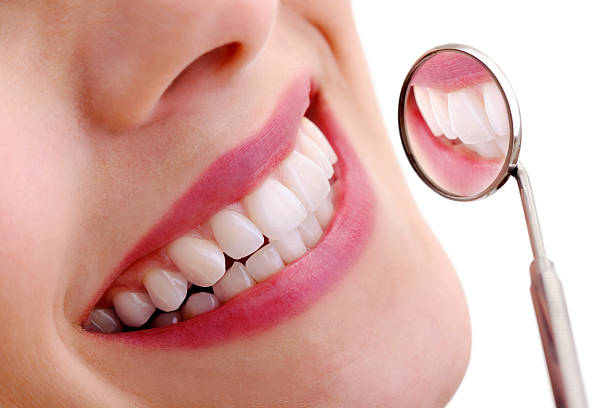
Available Teeth Whitening Procedures
1. In-Office Professional Whitening
In-office teeth whitening is like having a professional chef prepare your favorite meal instead of doing it yourself at home—it’s faster, more effective, and yields superior results. This method typically involves stronger bleaching agents, like carbamide peroxide or hydrogen peroxide, applied directly by dental professionals.
The procedure is efficient, often completing in less than an hour, while patients see noticeable improvements of several shades lighter immediately after treatment. It’s comforting to know we are in capable hands, ensuring both safety and effectiveness during this process.
2. Home Whitening Kits
On the other end of the spectrum, home whitening kits provide flexibility for those who prefer managing their whitening regimen at home. A couple of our favorites include Opalescence Go and Zoom Teeth Whitening trays. Opalescence Go offers pre-filled trays that are convenient for on-the-go whitening, while the Zoom kit features custom-fitted trays created specifically for our mouths, allowing for better coverage and effectiveness.
However, these methods require commitment, as they need to be used over a series of days or even weeks to achieve substantial results. While they might not deliver the immediate brightness of in-office treatments, many find satisfaction in seeing gradual changes.
3. Whitening Toothpaste and Rinses
Good oral hygiene also plays a role in maintaining our bright smiles with whitening toothpaste and rinses. These products usually contain mild abrasives along with lower concentrations of bleaching agents that can gently lighten teeth over time.
While they aren’t likely to provide dramatic results on their own—think of them more as maintenance tools—they serve as excellent supplements once we’ve achieved a whiter shade through more intensive methods. It’s important to keep our expectations realistic; these products are best suited for gradual improvements and ongoing upkeep.
As we continue to explore various whitening options, it’s essential to consider the role of laser techniques that offer speed and effectiveness in achieving stunning results.
Laser Teeth Whitening Explained
Laser teeth whitening is not just a buzzword in cosmetic dentistry; it’s a state-of-the-art procedure that transforms our smile with impressive results. Imagine walking into a dental clinic and, within an hour, emerging with noticeably brighter teeth. This technique combines advanced technology with professional care to elevate our confidence and enhance our appearance.
How It Works
The journey typically begins with the application of a protective barrier around the gums. This essential step safeguards our sensitive gum tissue from potential irritation caused by the bleaching agent. Following this, a specially formulated bleaching gel, rich in hydrogen peroxide, is applied directly onto our teeth. The magic happens when the laser light is activated; it stimulates the gel, accelerating its whitening effects and initiating a remarkable transformation right before our eyes.
Studies indicate that this method can lighten teeth by 5 to 10 shades in just one session, making it a standout choice among various whitening options.
Comparison With Other Methods
When weighing our options for teeth whitening, it’s essential to consider the speed and effectiveness of laser whitening compared to other methods. Traditional treatments at home—like strips or trays—can require weeks of diligent use before we notice any significant changes in color. However, laser whitening delivers visible results in a single appointment.
Additionally, unlike light-accelerated bleaching methods that rely solely on bright light exposure, laser whitening harnesses the targeted precision of lasers to combat stubborn tooth stains effectively. It penetrates deeper into the enamel layer, ensuring we enjoy more consistent and long-lasting results.
Understanding both its advantages and considerations will better equip us for informed decision-making about our dental care routine. As we continue, we’ll dive into what the actual treatment entails and what you can expect during the process.
Procedure Steps and Expectations
The process of laser teeth whitening is carefully structured to ensure safe and effective results. It begins with a preliminary examination that usually takes about 30 minutes. During this step, our dentist assesses our dental health, checking not only the brightness of our teeth but also ensuring our gums are in tip-top shape. If there are any cavities or gum problems, they will need to be addressed before moving on with the whitening.
Once we get the green light from our dentist, we move on to the next crucial phase: protecting our gums.
In this second step, a protective barrier or gel is placed around our gums. Think of it as putting on sunscreen before a day at the beach; it’s there to shield those delicate areas from the whitening agents that are about to be used and to prevent potential laser burns. This extra layer keeps our gums safe and helps optimize the whitening effect on our teeth.
With protection established, we’re ready for the main act: applying the bleaching gel.
After ensuring our gums are well-protected, a specially formulated bleaching gel is applied evenly across the surface of our teeth. It’s essential that this gel is applied thoroughly because this is where the magic happens! The composition typically contains either hydrogen peroxide or carbamide peroxide, acting as the core whitening agent capable of lifting stubborn stains caused by coffee, tea, or even aging.
Now comes an exciting part—the activation process!
Once the gel is in place, a focused laser light is directed at our teeth, activating the gel and breaking down those pesky stains far more effectively than traditional methods. The laser enhances the penetration of the bleaching gel into the enamel and dentin, making it quite an extraordinary option for immediate results. The light exposure usually lasts between 15 and 30 minutes, during which we can relax and perhaps enjoy some soothing music.
Finally, after waiting patiently through the activation phase, we have reached the concluding step of this exhilarating journey.
At last, after the dedicated exposure time, we all breathe a sigh of relief as the gel is rinsed away—this marks both an end and a beginning. Our dentist then evaluates our results. Depending on how stained our teeth were initially and how much brighter we wish them to look, they might suggest a second application for those particularly stubborn spots. After rinsing and assessing, there’s always that moment when we get to peek at ourselves in the mirror—it’s as if we’re unveiling a brighter version of ourselves!
Understanding these steps can enhance our experience by minimizing anxiety while maximizing positive results. As we consider the insights gained from this process, let’s turn our attention to how it stacks up against other available options.
Effectiveness Compared to Other Methods
When we consider teeth whitening options, it’s important to evaluate not just how quickly they work, but also how long those results last and the potential drawbacks they may present. In our quest for a brighter smile, we often turn to various methods like home whitening kits or specialty toothpaste. Each has its strengths and weaknesses, and understanding these differences can help us choose the best option for our oral health and aesthetic goals.
Speed of Results
Laser teeth whitening shines when it comes to rapid results. In one session lasting about an hour, we can generally expect our teeth to lighten by up to eight shades. In contrast, using at-home kits typically yields one to four shades in two weeks of consistent use. This significant difference in speed is appealing for those looking to make a quick change before a big event, be it a wedding or a special anniversary dinner.
However, while the swift results of laser whitening are impressive, we should consider the commitment involved with home kits that usually require consistent usage over time. The results may take longer to achieve, yet they allow us to maintain them regularly without the higher costs associated with professional treatments.
Longevity of Results
When diving deeper into how long these results last, we find that professionally applied methods like laser whitening tend to provide longer-lasting effects. This is largely due to the more potent bleaching agents used and the precision of application by dental professionals. Typically, these treatments’ effects can linger much longer than those achieved through at-home products. Factors such as our diet—think staining foods and beverages like coffee and red wine—can affect longevity regardless of the method used.
Here’s where patient responsibility becomes key: after receiving laser whitening treatment, if we indulge frequently in products known for causing stains, we might find ourselves needing touch-ups sooner than anticipated. Regular maintenance through good oral hygiene practices is essential for prolonging those fabulous results.
Balancing Efficacy with Comfort
Despite all these benefits, let’s not ignore that each whitening method comes with its challenges. As much as laser treatments impress with their immediacy and efficacy, they might cause increased sensitivity for some individuals—a concern many users express when sharing their experiences. Home kits may seem gentler but often lack that dramatic shift that makes them less satisfying for fastidious whiteness seekers.
By understanding both the advantages and limitations of laser versus at-home whitening methods, we set ourselves up for greater success in achieving the smiles we desire without overlooking our health needs.
With these insights in mind, we can now turn our attention to the potential risks and discomfort associated with various whitening options, helping ensure an informed choice moving forward.
Addressing Risks and Discomfort
While laser teeth whitening offers a quick and effective solution for brightening our smiles, it does come with certain risks that we should be aware of. One common concern many patients report is increased sensitivity in their teeth and gums after treatment. This sensitivity typically happens due to exposure to potent bleaching agents used during the procedure, but the good news is that it often fades within just a few days. Many of us find solace in that fact, especially when discomfort from hot or cold foods feels like an unwelcome side effect.
Another issue worth noting involves gum irritation. Although protective measures are generally very effective in minimizing this risk, some individuals may still experience mild irritation or even burns along the gum line. Effective communication with dental professionals plays a crucial role here; they can guide us on techniques to lower the chances of irritation during treatments.
Whether it’s sensitivity or gum irritation, acknowledging these potential downsides ensures we are prepared if they do occur.
Mitigating Discomfort
So, how do we handle these discomforts if they arise? One method we’ve found helpful is applying a desensitizing gel right after treatment. These gels can alleviate tooth sensitivity, providing much-needed relief before heading back into our daily routines. Moreover, talking to our dentist about appropriate timing and usage can ensure we get maximum benefit from these products.
Additionally, being mindful of our food choices for several days after treatment can drastically reduce any lingering pain. We recommend sticking to room-temperature foods to prevent shocking sensitive teeth with extremes in temperature. Foods like mashed potatoes or soft fruits become friends in those initial days post-whitening.
It’s essential to remember that while laser teeth whitening can provide impressive results, managing its risks and discomforts is part of the journey toward a brighter smile. By considering potential reactions and employing strategies to mitigate them, we will enjoy all the benefits this procedure offers without worrying about its drawbacks.
With insights into the challenges associated with this procedure, let’s turn our attention to real-world experiences and perspectives from those who have undergone the treatment.
Alternatives to Laser Whitening
For those of us with sensitive teeth, gentler options become essential. Whitening toothpaste, for example, contains mild abrasives and chemical agents that can help lighten teeth gradually. Though it might take anywhere from 4 to 6 weeks to see noticeable results, the potential discomfort is significantly less than what we might experience with laser treatments. This method allows for a more forgiving approach, letting us keep our daily dental care routine intact while still achieving brighter teeth.
Another excellent alternative is professional tray whitening. In this approach, our dentist custom-makes trays fitted to our mouths. We then use these trays at home along with professional-grade bleaching agents safely provided by our dental clinic. With consistent use over several weeks, we can attain a brightness level that rivals laser whitening but without the immediate intensity, leading to less sensitivity during treatment.
| Whitening Method | Speed of Results | Potential Sensitivity | Cost Range |
| Laser Teeth Whitening | Immediate (1-2 hours) | High | $$$$ |
| Professional Tray Whitening | Gradual (2-4 weeks) | Moderate | $$$ |
| Over-the-Counter Strips | Gradual (2-4 weeks) | Low to Moderate | $ |
| Whitening Toothpaste & Rinses | Gradual (2-3 months) | Low | $ |
Each method comes with its own set of advantages and limitations, making it crucial for us to assess personal preferences alongside consultation with professionals. By doing so, we can determine not only the most effective approach for our whitening goals but also what aligns best with our dental health needs.
Whether opting for the speedy results of laser whitening or exploring gentler options like toothpaste or tray systems, it’s all about finding what fits our unique smile journey. For tailored insights and guidance in your teeth-whitening endeavors, contact Tarpon Dental or call us at (727) 937-4285 today!