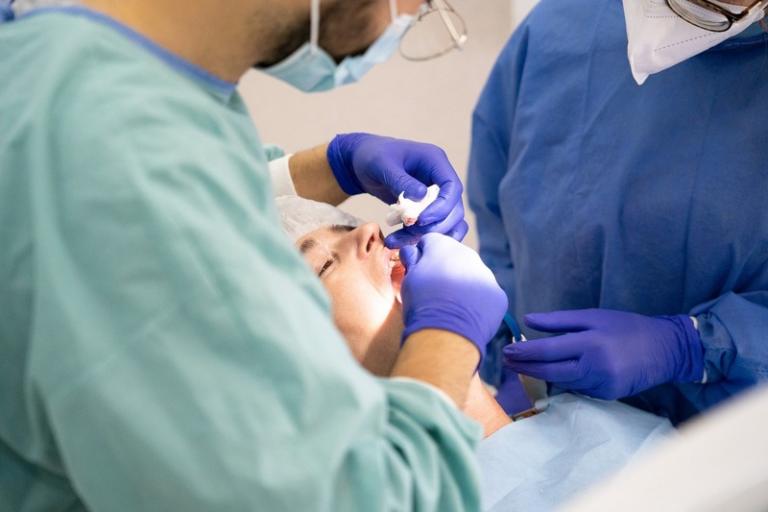
When you think about your smile, what comes to mind? For many, it’s the confidence that radiates from a straight, healthy grin. But did you know that teeth straightening is about much more than just making you look good? It plays a crucial role in your overall oral health. As a writer exploring this topic, I’ve come across fascinating research showing that properly aligned teeth can lower the risk of gum disease and cavities while also improving your bite. This means investing time in straightening your teeth pays off not only in how you feel about your appearance but also in how well your mouth functions day-to-day. So, let’s dive into the ways teeth straightening can benefit your health and self-esteem!
Teeth straightening significantly enhances oral health by improving alignment, which makes teeth easier to clean and reduces plaque buildup. This alignment helps prevent issues like tooth decay and gum disease, thereby contributing to better long-term health outcomes.
The Benefits of Teeth Straightening
Straightening your teeth is an investment in more than just a beautiful smile—it’s about enhancing your overall health in several ways. Properly aligned teeth significantly improve your oral hygiene because they are easier to clean. Straightened teeth eliminate awkward gaps and overlapping areas where food particles often sneak in, creating a breeding ground for plaque and bacteria. This can mean the difference between a simple toothbrush swipe and worrying about cavities or gum disease.
For instance, research conducted by the American Dental Association highlights this benefit: individuals with well-aligned teeth experience 30% less gum disease than their crooked counterparts. When I see patients who have just completed their orthodontic treatment, I notice how they proudly showcase their smiles while expressing relief over having less worry about future dental issues.
Oral Health Benefits
Furthermore, better alignment directly correlates with improved cleaning routines. Users of clear aligners like InvisalignTM often report increased motivation to maintain oral hygiene, with many ramping up their flossing habits from sporadic use to several times a day simply because it’s easier! One patient shared how their early stages of gingivitis transformed entirely after starting their treatment—an astonishing turn that enhanced their aesthetic and played a crucial role in saving their gums.
Additionally, straightened teeth contribute to better gum security. Aligned teeth fit snugly against the gums, offering a superior barrier against periodontal diseases. Weak gum attachments can lead to complications down the line, making investing time and resources into straightening your teeth now a prudent choice to prevent such risks efficiently.
Mechanical Functioning
Another noteworthy advantage is improved bite function. Misalignment often leads to uneven wear, which affects daily tasks like chewing and can cause discomfort and jaw pain over time. It’s common knowledge within dental circles that 60% of patients with misaligned teeth experience TMJ-related symptoms, complicating even the simplest act of opening your mouth. Correcting these issues allows for a balanced bite that distributes pressure evenly across all teeth, preserving their structure and functionality.
The long-term implications extend beyond comfort; successful orthodontic care can greatly decrease wear on your enamel, leading to healthier teeth overall. Patients often see 50% less enamel wear compared to those with misaligned bites over an extended period—a statistic that underscores the importance of proper alignment.
Systemic Health Connection
Finally, we cannot overlook the systemic health connections associated with poor dental alignment. Emerging evidence links periodontal disease to severe health conditions like cardiovascular disease and diabetes. Bacteria from infected gums can enter the bloodstream, potentially exacerbating these systemic problems. Correcting alignment isn’t merely an issue of aesthetics; it could save you from facing serious health complications.
As we start appreciating more in modern dentistry, fostering better oral hygiene practices, enhancing bite function, and protecting your general well-being are essential components accomplished through effective orthodontic treatment. Ultimately, this sets you up for a healthier future while reflecting on the value of investing in your smile today.
With this understanding of how alignment impacts health at various levels, let’s shift our focus to the different options available for achieving that perfect smile.
Types of Teeth-Straightening Treatments
Let’s explore the different types of teeth-straightening treatments that can help you achieve that perfect smile.
Starting with traditional braces, these involve metal brackets and archwires that gently shift your teeth into alignment. While they are effective for a wide range of alignment issues, many find them noticeable and at times uncomfortable, especially in the initial stages as your mouth adjusts. However, their reliability for severe misalignments makes them a go-to option in orthodontics.
Moving on to InvisalignTM, this treatment has gained significant popularity due to its clear and removable nature. According to a 2023 survey by the American Academy of Cosmetic Dentistry, a striking 70% of adults prefer InvisalignTM for its aesthetic advantages and comfort. Invisible aligners allow for easier oral hygiene since they can be removed during meals, letting you enjoy your favorite foods without restrictions. Compliance is key; patients must wear the aligners for 20 to 22 hours per day to avoid delays in treatment.
Another fascinating option is lingual braces. Unlike traditional braces that sit on the front of your teeth, lingual braces are affixed behind them, rendering them virtually invisible to others. This characteristic appeals strongly to those self-conscious about their appearance during treatment. While they provide an excellent cosmetic solution, they can be challenging to clean properly due to their placement inside the mouth and may cause initial irritation as your tongue adjusts to their presence.
Then there are ceramic braces, which serve as a compromise between aesthetics and efficiency. These braces utilize tooth-colored materials, blending in more naturally compared to their metal counterparts. They’re effective but can be more fragile than metal braces, requiring careful handling and maintenance.
Each option presents unique benefits and challenges tailored for different situations. Whether you choose traditional braces for extensive corrections or opt for InvisalignTM or lingual braces for a more discreet approach, understanding these differences can help you make an informed choice best suited to your lifestyle and orthodontic needs.
When evaluating these treatment options, it’s essential to connect their specific benefits with the overall advantages they offer for maintaining good dental health and enhancing your smile.
Oral Health Advantages
When it comes to maintaining a bright and healthy smile, properly aligned teeth are more than just a cosmetic issue; they offer numerous health benefits.
For instance, straight teeth significantly enhance cleaning efficiency. When teeth are spaced evenly, brushing and flossing become much easier and more effective. Imagine trying to floss between overlapping teeth—quite a challenge! With improved accessibility, plaque buildup can decrease by up to 50%, translating directly into a lower risk of cavities and healthier gums.
Reducing Tooth Decay
One major benefit of orthodontic treatment is its potential to reduce tooth decay significantly. Studies indicate that individuals with straightened teeth experience about 20% fewer cavities over their lifetime.
This reduction stems from the increased ease of cleaning between teeth; gaps created by misalignment may harbor food particles and bacteria, leading to decay. Well-aligned teeth allow for more effective brushing, promoting better overall dental hygiene.
This leads us to consider the link between tooth alignment and gum health. Researchers have found that people who undergo orthodontic treatments tend to have stronger gums and less gum disease. In fact, proper alignment minimizes hidden spaces where food might accumulate, significantly reducing the chances of gum inflammation. Did you know that approximately half of U.S. adults over the age of 30 experience periodontal disease? Keeping your teeth aligned addresses this risk by supporting healthier gums.
Improving Gum Health
A solid foundation for good oral hygiene is not just about preventing cavities; it’s also about fostering strong gums. Your dentist at Tarpon Dental likely emphasizes during routine checkups that healthy gums support your overall dental structure.
Aligned teeth create an ideal fit for the gums around them, mitigating potential complications such as periodontal issues or sensitivity.
Regular visits and cleanings help ensure your mouth remains free from periodontal disease. It’s a perfect example of how orthodontics isn’t merely aesthetic—it’s deeply intertwined with preventative care. Investing in your oral health today enriches your quality of life tomorrow.
Understanding these advantages highlights the multifaceted benefits of proper alignment, which paves the way for exploring enhancements in both appearance and confidence.
Aesthetic Improvements
Straight teeth significantly contribute to a more attractive smile, impacting self-esteem and social interactions. Many underestimate the power of a confident, well-aligned smile until they experience it themselves. It’s akin to flipping a switch; once the teeth are straightened, even someone who felt hesitant or shy can transform into a more expressive version of themselves.
Many patients report feeling an overwhelming boost in their confidence after undergoing orthodontic treatment. Take Jane Doe, a marketing manager from Tarpon Springs, for instance. She shared her journey about how her newly straightened teeth enabled her to engage more confidently during work presentations and bolstered her presence at social gatherings. The change was not just in her smile but in her overall demeanor. Such stories illustrate how significant aesthetic improvements transcend physical appearance; they profoundly elevate one’s mental state.
Besides vanity considerations, improved aesthetics encourage better oral hygiene—aligned teeth are easier to clean, leading to enhanced gum health and reduced plaque buildup. As users develop better cleaning habits alongside their aesthetic journeys—often resulting in whiter teeth even without added whitening treatments—the connection between aesthetic improvements and overall oral health becomes increasingly clear.
These aesthetic changes cascade into broader implications, fostering greater confidence and enhancing social connections for those on the path to achieving their ideal smile. Now let’s explore how these transformations influence personal perception and interactions.
Boosting Self-Esteem
Having straight teeth can significantly boost self-esteem, an aspect often overlooked in discussions about dental health. This improvement in confidence can ripple through various facets of life, affecting how individuals interact with their peers and engage with the world around them.
For instance, Jessica Brown, a patient from our Tarpon Springs office, shared how her InvisalignTM treatment transformed not just her smile but her entire outlook on life. After completing her treatment, Jessica felt empowered to make eye contact and actively smile in social settings. This newfound confidence wasn’t merely a side effect; it was a profound shift that enhanced her quality of life.
Imagine walking into a job interview or a first date without the nagging worry about crooked teeth. Instead, you show up exuding confidence, ready to connect and engage without reservation. It’s a game-changer when you don’t have to constantly adjust your posture or cover your mouth when laughing or speaking. In fact, research indicates that nearly 70% of individuals report improved self-esteem after orthodontic treatment. This increase in confidence can create an upward spiral of positive experiences, leading to more engaging social interactions and opportunities.
Studies have shown that 60% of adults believe a straight smile enhances their career prospects, further linking the impact of oral health on professional success.
Think about the psychological factors at play here: less self-consciousness means individuals are more likely to engage in conversations and relationships. When confident about one’s appearance, it opens doors—both socially and professionally. Comparatively, 50% of individuals with straightened teeth report a decrease in social anxiety related to their appearance, indicating that improving one’s smile can lead to greater happiness and well-being.
As we consider these transformative effects, it is evident that teeth straightening goes beyond aesthetics; it plays a vital role in mental wellness by empowering individuals to embrace life fully without insecurities weighing them down. Let’s shift our focus now to the importance of seeking professional guidance in maximizing these benefits.
Consulting an Orthodontist
The journey to a better smile begins with a professional consultation that sets the stage for transformative results. During your orthodontic assessment, a careful examination of your dental history lays the foundation for understanding your unique needs. This might involve looking at past dental work, assessing oral health conditions, and discussing any specific concerns you may have. These initial discussions are essential for guiding your treatment journey tailored specifically to you.
The orthodontist will use x-rays to get a detailed view of your teeth and jaw structure. These images can reveal hidden problems that might not be visible during a simple visual checkup—such as tooth impaction or jaw alignment issues. By understanding these underlying problems, the orthodontist can design a customized treatment plan that addresses cosmetic concerns and potential oral health issues down the line.
You’ll find that adjusting your treatment goals over time is just as important as starting them successfully. Regular visits allow for progress monitoring; this ongoing professional support ensures that any adjustments needed in your braces, aligners, or other treatments are made in real-time to maximize their effectiveness.
Keeping the lines of communication open with your orthodontic team is vital. When you have questions about discomfort or changes in your bite, don’t hesitate to share those observations during your visits. Being proactive allows your orthodontist to make timely adjustments, ensuring the best possible outcomes for your treatment.
If you’re based in the Tarpon Springs area, consider visiting Tarpon Dental. They provide personalized assessments and are equipped to guide you through various teeth-straightening options. Starting this journey with informed decisions will set clear expectations and empower you with knowledge about what to expect every step of the way.
Ultimately, making that first appointment is more than just about straightening teeth; it’s about investing in a healthier future for your smile and overall oral health.
In conclusion, taking the first step by consulting an expert can lead to significant benefits for both aesthetics and oral health. Take the time to reach out; call us at (727) 937-4285 or visit Tarpon Dental to begin your journey toward a healthier smile.